
"The textile industry will need both the AI specialist and the seamstress"
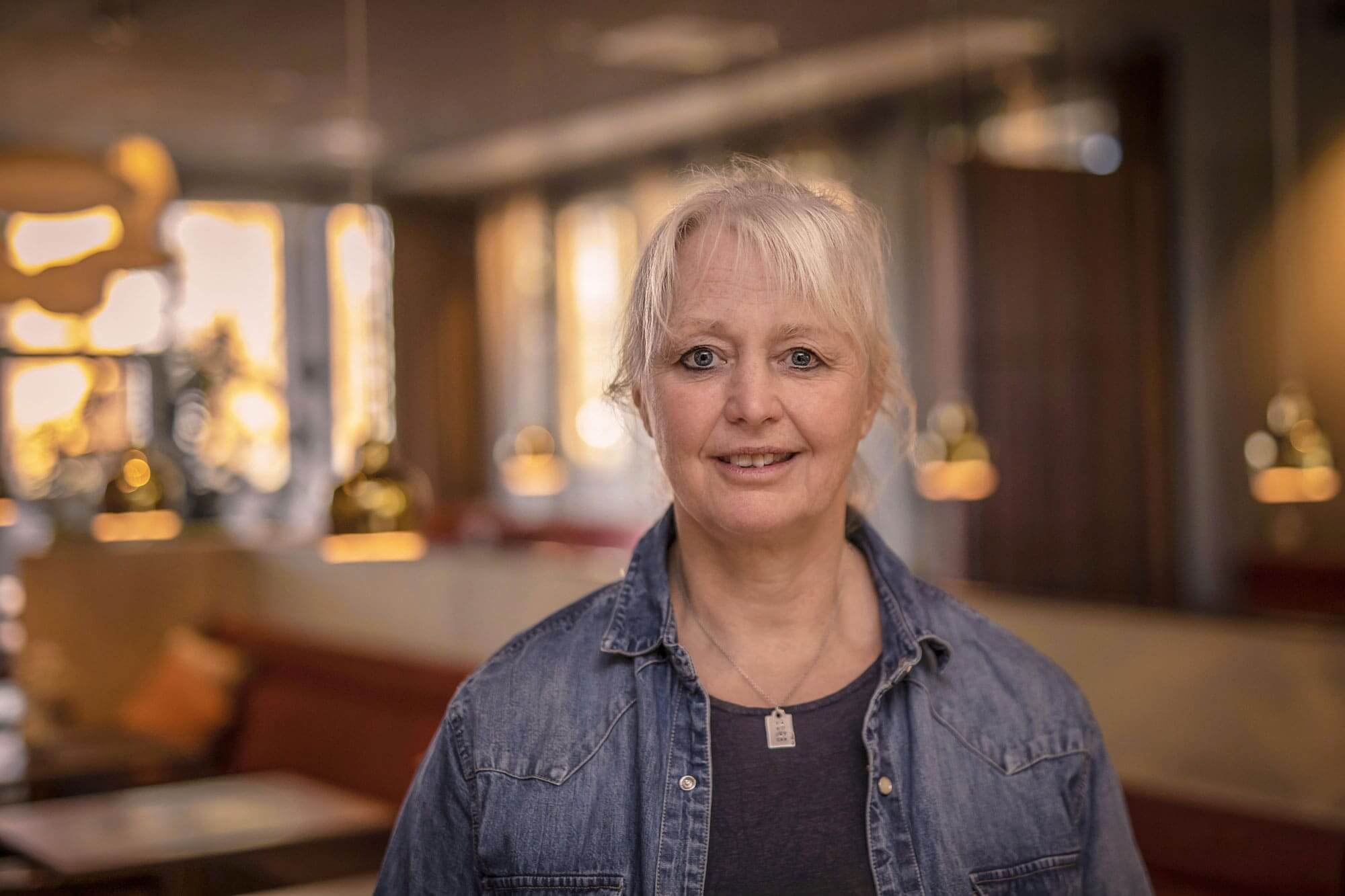

Photo: Tillskärarakademin Malmö
Tillskärarakademin Malmö is a renowned school for fashion and design, offering three vocational higher education programmes. The courses provide an artistic blend of pattern construction, fashion drawing, sewing, product development, illustration, and digital software, all combined with a clear focus on sustainability. Tillskärarakademin is a member of Future by Lund, and Operations Manager Renée Andersson also serves on the board of Future by Lund. Together with a range of other stakeholders, she works within the Fashion & Textile transformation portfolio, focusing on areas such as understanding how the Digital Product Passport (DPP), which is being introduced by the EU, will impact the fashion and textile industry.
"The Digital Product Passport will change how we develop, produce, use, and care for textile products," says Renée Andersson. "Companies will need better control over materials, supply chains, and product data. This places demands on digital systems, new ways of working, and expertise."
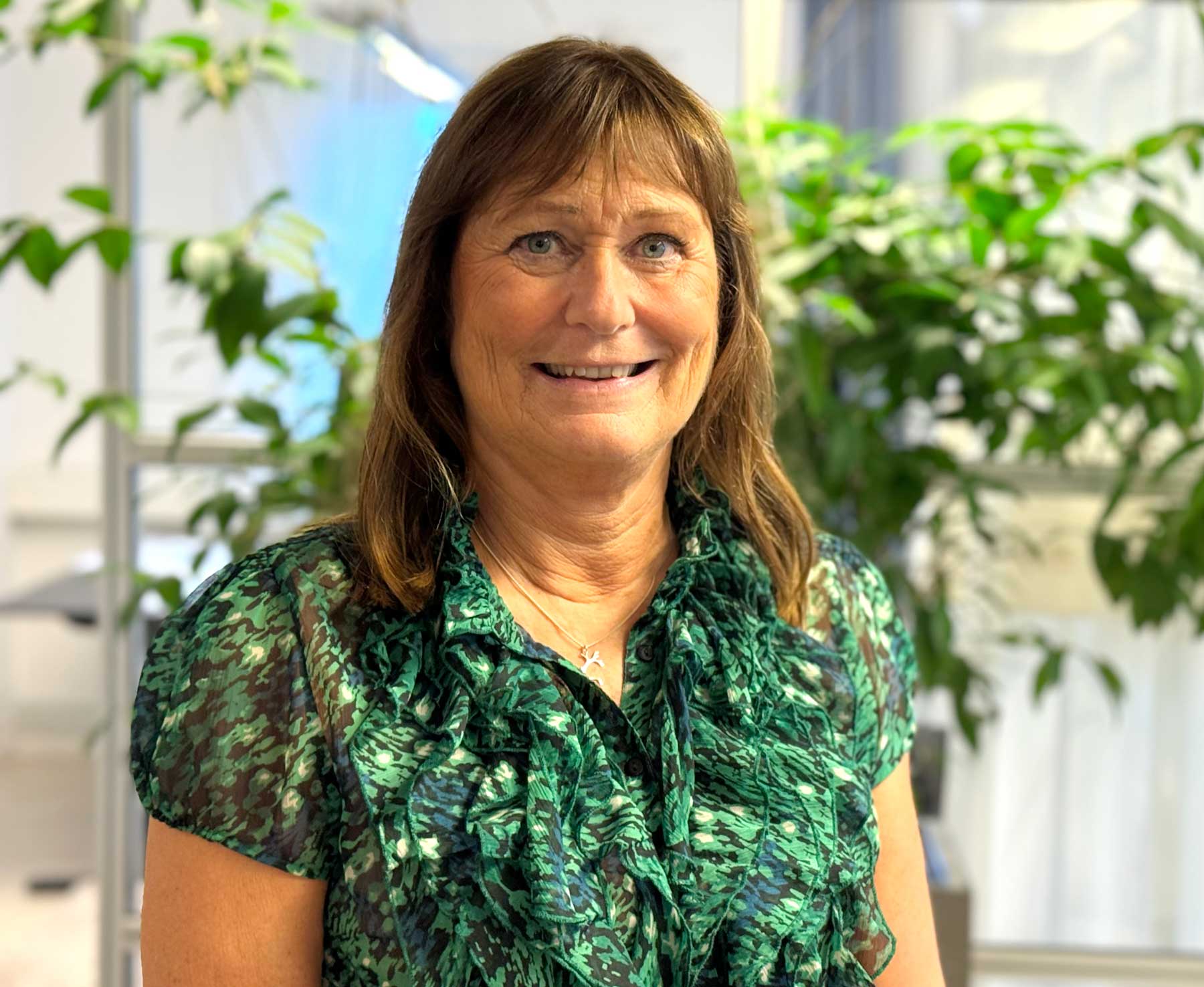
"This also presents significant opportunities," she continues. "Better information about the content and properties of products can facilitate repair, reuse, sorting, and material recycling, as well as contribute to more circular textile flows. It will influence the design process itself, ensuring that we consider sustainability, repairability, and how materials can be recovered once a product reaches the end of its life from the very beginning."
How will the introduction of the DPP affect your educational programmes?
"Skills in design, materials, pattern construction, and sewing will remain essential, but they must now be complemented by new knowledge. Future product developers need to understand how material data, traceability, digital product passports, and sustainability requirements are interconnected. The DPP has already influenced our programmes, and I see great potential for developing further training in the future."
Why is Tillskärarakademin a member of Future by Lund?
"For us, it is incredibly valuable as it gives us the opportunity to be where the needs and solutions of the future are discussed and developed. We work with education, but to be able to train for the future, we must understand what is happening in the industry today. Through Future by Lund, we gain access to a network of companies, researchers, and other organisations working with digitalisation, sustainability, circular business models, and new regulations. I also see great value in us, as an education provider, being able to contribute our perspective."
In connection with Future by Lund, you have worked with both the DPP and innovation policies within the ekip policy platform. What has this meant for you?
"Above all, it has given us a deeper understanding of the scale of the transition facing the textile industry. The work on innovation policies has been interesting because it highlights how important it is to create the right conditions for innovation, not least through collaboration between different stakeholders. Regarding the Digital Product Passport (DPP), our involvement has allowed us to follow developments closely. The value of Future by Lund is that we get the chance to be part of the discussions before the changes have fully taken hold."
You are also a board member of Future by Lund. What do you see as the benefits of our portfolio-based approach?
"What I appreciate about the portfolio-based approach is that we don't get stuck in individual projects or isolated issues, but can instead see the bigger picture. The challenges we face today are often far too complex for any one organisation or industry to solve on its own. In fashion and textiles, for example, we see how sustainability, digitalisation, material development, skills supply, and new business models are closely linked. By working in portfolios, we can gather different expertise and initiatives around common challenges. This creates opportunities to find connections that we might not have seen otherwise."
You are the board's expert on fashion and design, as well as fashion and textile issues. What can you contribute to the work in the portfolio?
"I believe my primary contribution is the combination of industry contacts, an educational perspective, and experience in translating identified needs into concrete training initiatives. Through Tillskärarakademin, we have a large network of companies within fashion and textiles, both in Skåne and nationally, and we can help build bridges between companies, education, and innovation environments."
"Furthermore, I think it is important that we don't just talk about technological development, but also about craftsmanship. We will need both advanced digital skills and people who can actually construct, sew, repair, and develop physical products. Another issue close to my heart is strengthening Skåne's role in fashion, textiles, and design."
Looking at your areas of expertise and looking ahead – what is going to happen?
– One thing that I think will surprise many is that fashion companies of the future won't necessarily need to produce more garments to grow. Instead, business models can be built on products being used for longer, repaired, resold, or given new uses. I also believe that the line between digital and physical products will become increasingly blurred. With 3D technology, AI, and digital product information, we can develop, test, and visualise products long before we manufacture them.
– While technology is becoming increasingly advanced, traditional craftsmanship may become one of the most sought-after skills of the future. I am convinced that the textile industry of the future will need both the AI specialist and the seamstress – and above all, people who understand how those two worlds can meet, concludes Renée Andersson.