
Helsingborg investigates portfolio in trade and logistics
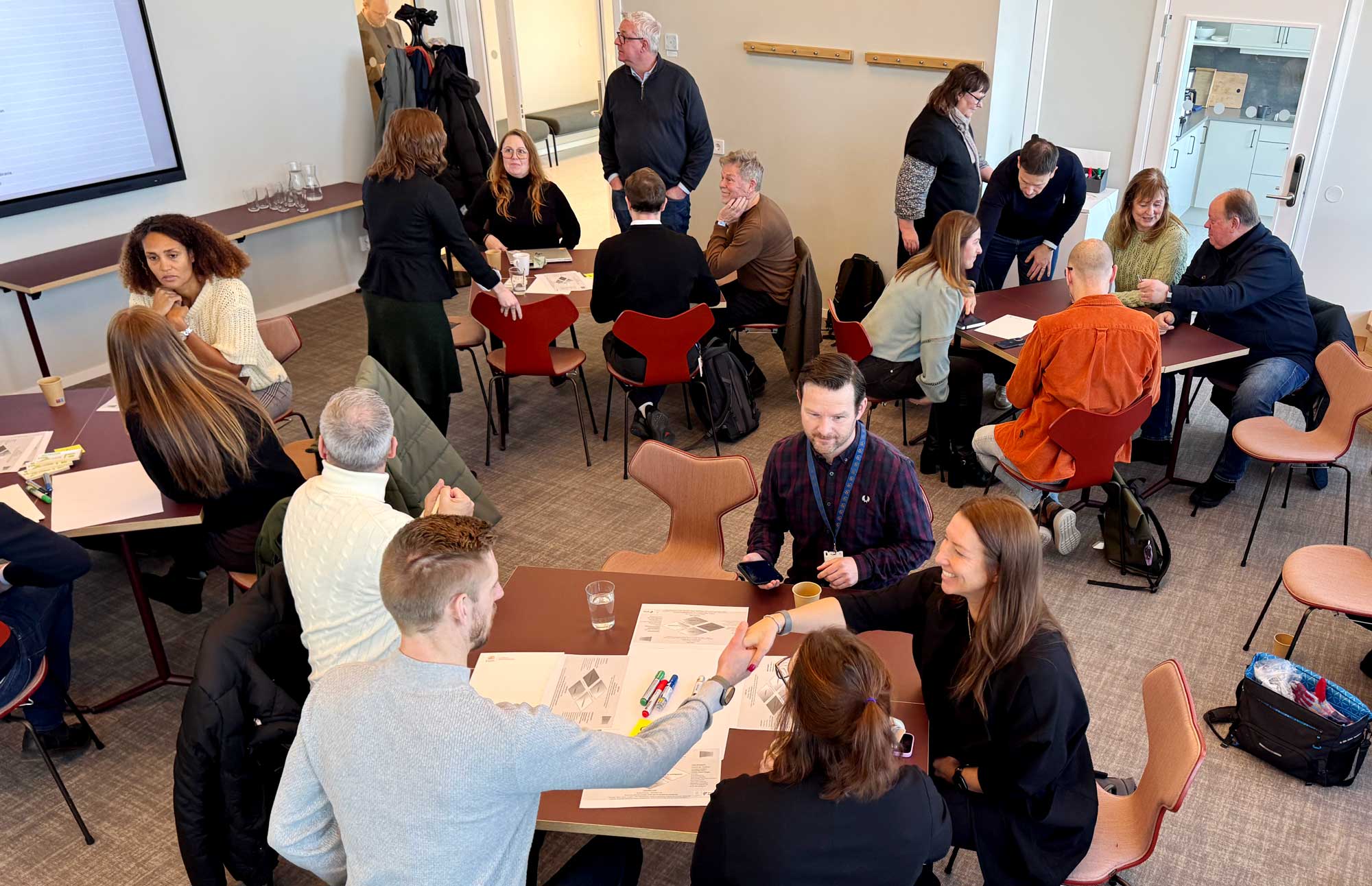
Center for Trade and Logistics (REAL) vid campus Helsingborg at Lund University brought together participants from industry, the public sector and academia to discuss the challenges and opportunities in the trade and logistics industries in the context of making the EU Digital Product Passports (DPP) effective implementation. Lars Mattiasson from Future by Lund also spoke about the expansion of producer responsibility and drew up the timetable for future EU regulations and national directives in the textile field. During a morning in February, a concentrated current picture of Digital Product Passport was presented from several perspectives, with insights from the EU's work on the project CIRPASS 2 thru whatt.io's Stefan Larsson but also from work in Future by Lund's portfolio Fashion & Textile transformation where DPP is an enabler for innovation and new business models.
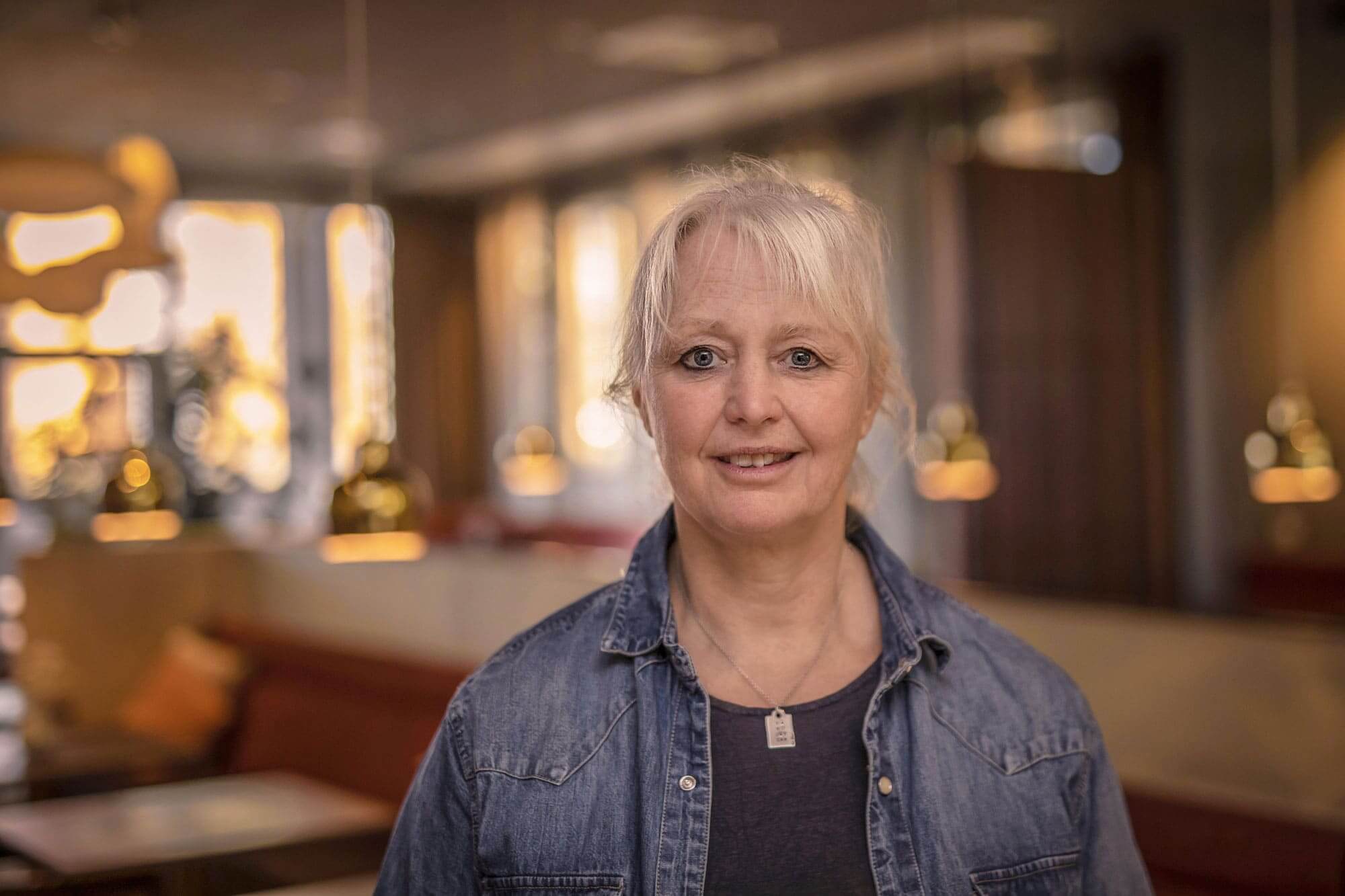
- In my return research, I have seen the need for a common digital identity carrier in products, and within the innovation portfolio we have talked about other similar challenges related to everything from recycling to return flows, second-hand sales and various circular flows, says Klas Hjort, researcher at Lund University and initiator of the arrangement together with colleague Daniel Hellström. It is interesting to see what the DPP can bring, not only in a legislative text but also in relation to challenges. We need to understand this complex issue together with several stakeholders with different understanding of the problem.
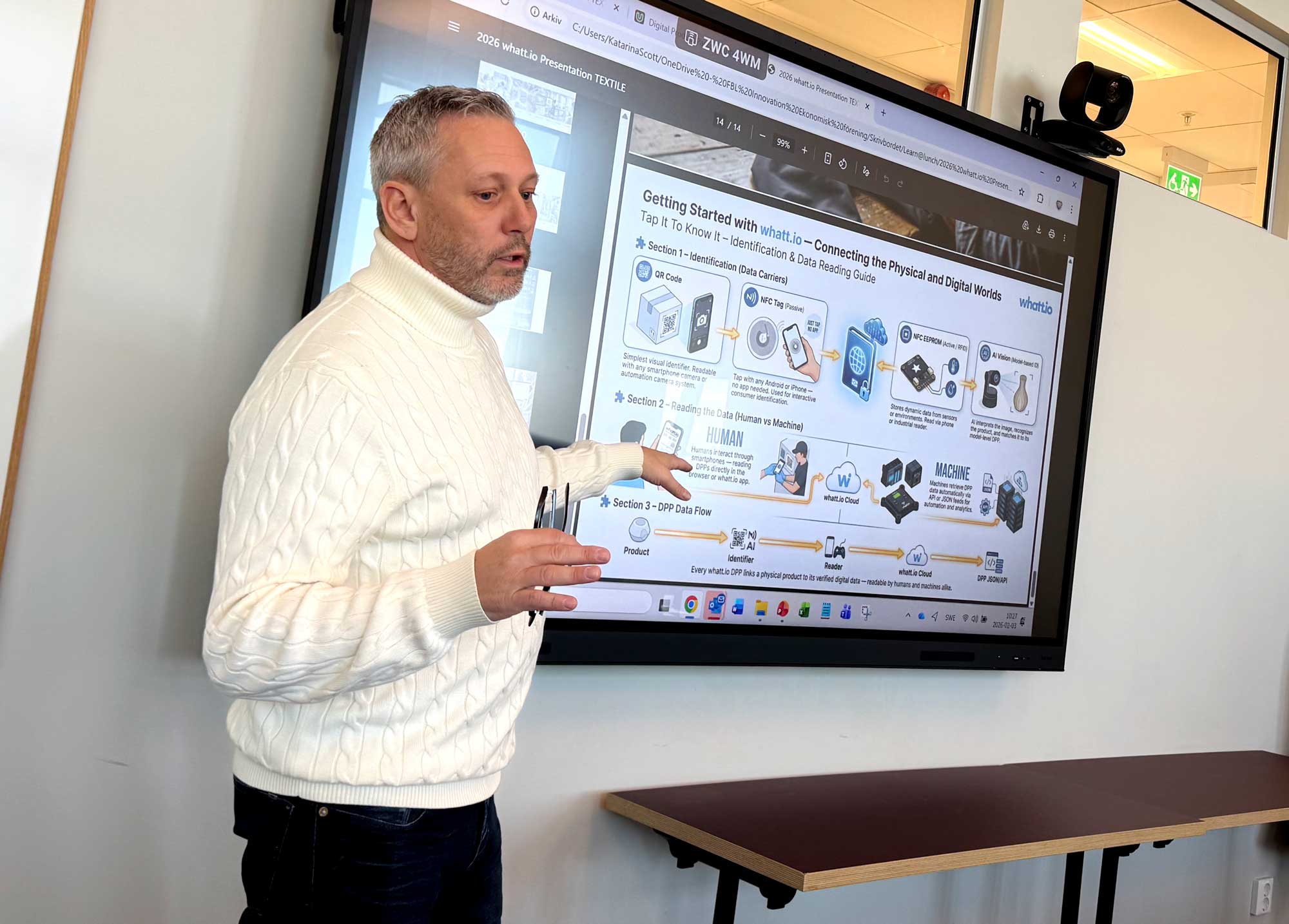
DPP is becoming a crucial factor in many industries and for many businesses. For example, the product passport can lead to a redesign of the design and life cycle of the product or service. The EU is expected to take a decision on this in the next year, but it is not yet clear exactly what the decision will mean.
The participants were selected and invited to contribute industry-specific experiences and knowledge to discuss how DPP can benefit in trade and logistics through possible test beds, innovation and collaboration in Helsingborg.
- There is something very valuable in the connection between the campus in Helsingborg, Lund University, Future by Lund and what we do in Helsingborg, says Tanja Ståhle, City of Helsingborg. Logistics and transport test beds with a focus on real-world testing and data sharing are a great example of how to find each other through a shared commitment.
During the meeting, the participants considered what can be done to get started with logistics and transport test beds for DPP initiatives starting in 2027 and for further development until 2035.
- There are good opportunities to move forward together and it would be interesting to test how we can create a common innovation portfolio in this area as part of the city's broader focus on test environments in transport and logistics, says Tanja Ståhle. In Helsingborg, we offer test beds in administrations, municipal corporations and urban development projects.
Now a post-work is waiting to compile the participants' ideas.
- We have received ideas and data and will try to find common approaches so that we can lay out three to five ways forward with 2027 as the starting point, says Klas Hjort. Katarina Scott at Future by Lund and I will be thinking about the potential portfolio and how we can connect with other projects and areas. This is a way into test beds for the city of Helsingborg and I see it as if today we have taken a starting point for Future by Helsingborg!

REAL is located at Campus Helsingborg, Lund University and is a centre for research, education and innovation in retail and logistics.
Participants from: whatt.io, J.Lindeberg, Future by Lund, Wargön Innovation, Wåhlander Innovation & Consulting AB, City of Helsingborg, Swedish Tailors' Association Swedish Association of Master Tailors, E-commerce Park of Scandinavia, Order Nordic AB, PM digital management, Tillskär Academy Malmö, Lund University/REAL, Helsingborg Declaration, 2021.AI AB, whatt.io.