
Working on policies has provided a recipe for innovation work

In the policy platform team building the foundations for a new European Innovation Policy for Cultural and Creative Industries (CCI) with Lund University as the leading party. In this, 17 European partners are working together. Future by Lund also participates and has, among other things, the role of selecting and building methodologies for testing an innovation area in a local context, in so-called “City prototyping labs”.
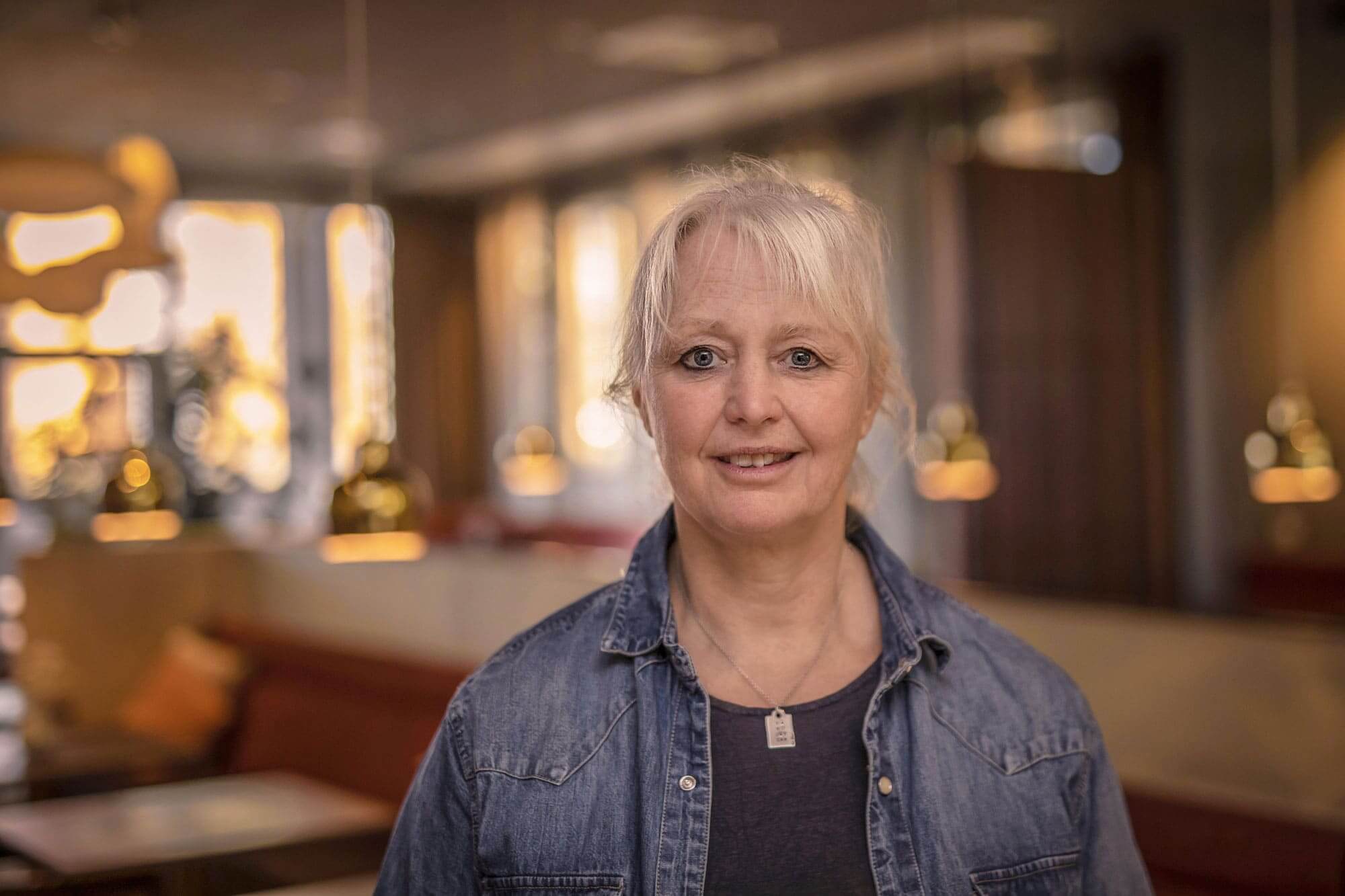
- We start from the team's analysis and policy recommendations and test what it would mean if these policies become a reality in a local and regional context, says Katarina Scott, project developer at Future by Lund. We look at the potential of policies and consider what needs to be supported in order to achieve certain desired outcomes - such as creating more innovation in the cultural and creative industries.
The work with the City prototyping lab is held together by a grouping in which Future by Lund has a leading role and in which Cike (Creative Industry Kosice), Rotterdam city, Cité du Design Saint-Etienne, Delft University of Technology and Humak University of Applied Sciences are included. Labs are not just for testing policies, but a lab also brings other benefits.
- It is also about the knowledge that is built on how to create a work with innovations at local level, says Birgitta Persson, Future by Lund. In this, Future by Lund's portfolio model is the basis, and to this comes the analysis of the local innovation ecosystem.
By not only testing policies, but also developing a way of working that catalyzes innovation, this can be used by cities and regions outside the team. In the labs, the participants work with open innovation and the project members use all the information that comes from the project packaging and the scenarios created for the innovation work by a research team.
In November 2025, a City prototyping lab was held in Stockholm, and representatives from the European Commission worked together with academia, industry and CCI stakeholders, among others. From Skåne participated Region Skåne, Malmö Opera and Sony in addition to Lund University and Future by Lund. Riksteatern was one of the organizers, and wanted to explore an idea of creating a performing arts innovation hub. This could include a lot — theatre, dance and circus, but also, for example, music and concerts. Often performing arts organizations make use of advanced technologies in the artistic work to produce a performance. In this work, you can create inventions that make a success of the performance. In contrast, you usually do not have the ability or the prerequisites (or sometimes not the interest or mandate) to scale the invention into an innovation. Sometimes new solutions are created as part of productions and which are then picked up by other actors, scaled and generate value. However, through a systematic effort to capture solutions or inventions created linked to productions, they could be turned into innovations and scaled by CCI actors to generate value to the sector. In ekip, this is called innovation by production. (Read more)

- With Riksteatern, which has a national mission to produce performing arts for the whole of Sweden, there is an interesting opportunity to create an innovation hub for and with performing arts, says Birgitta Persson. Such a hub would enable the scaling of an invention and its commercial potential, allowing more people to use it and generating revenue for innovators and their organisations.
Now you have had several City prototyping labs within the team. How well does the idea of both policy recommendations and innovation work at the same time?
- I think it works extremely well. We haven't had a prototyping lab without it also starting something new. The model, the way we work and the way we pack it together have a great value. The ability to articulate and gather across organizational boundaries and to see common needs are some of the most important things we have achieved through this. Here you can make an impact even if you are a small player, by having many little ones working together, concludes Katarina Scott.
Lund is the place as the EU investigates how AI affects creative industries
How can the DPP affect the cultural and creative industries?