
Can AI and culture become the next Nordic area of strength?
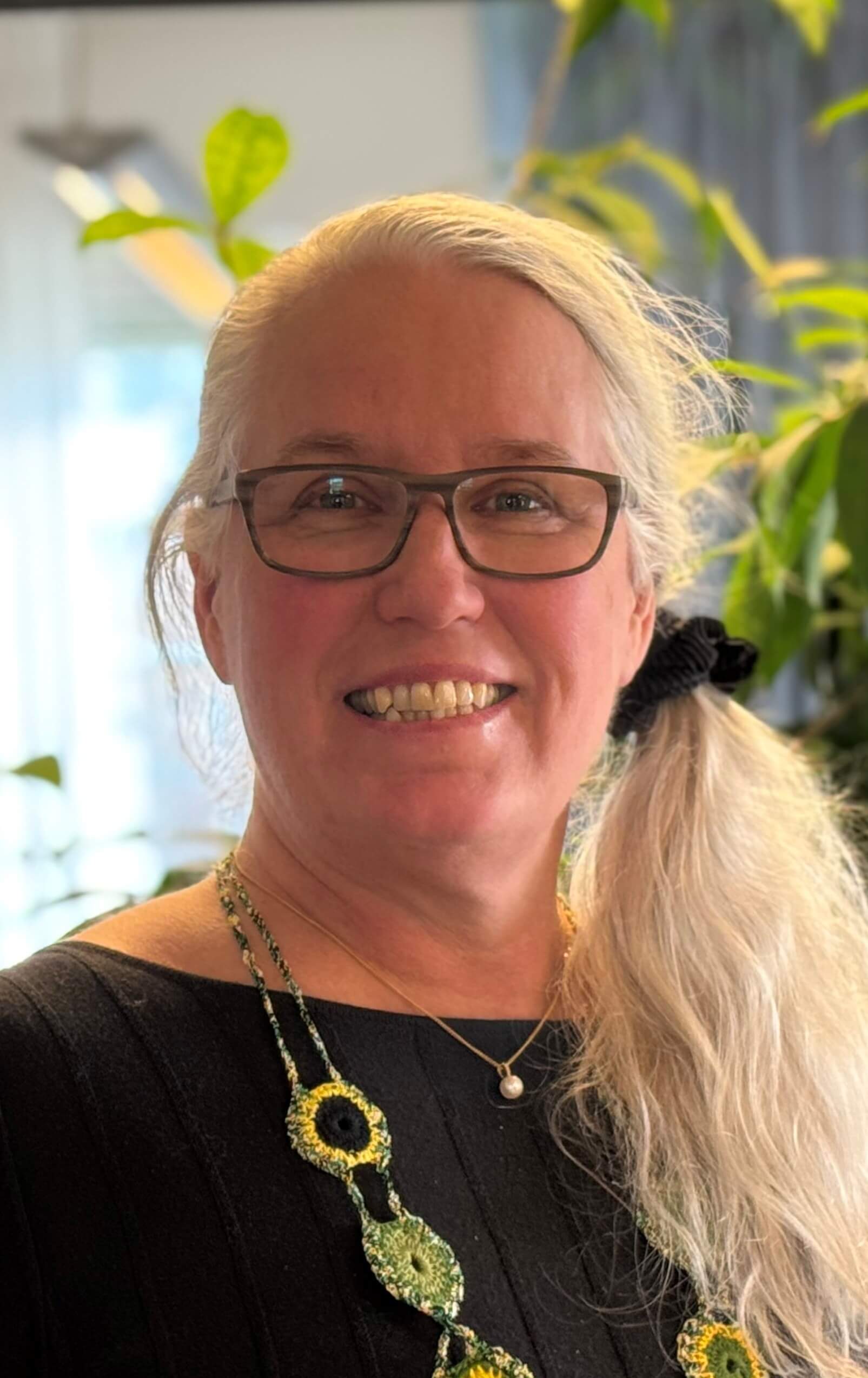
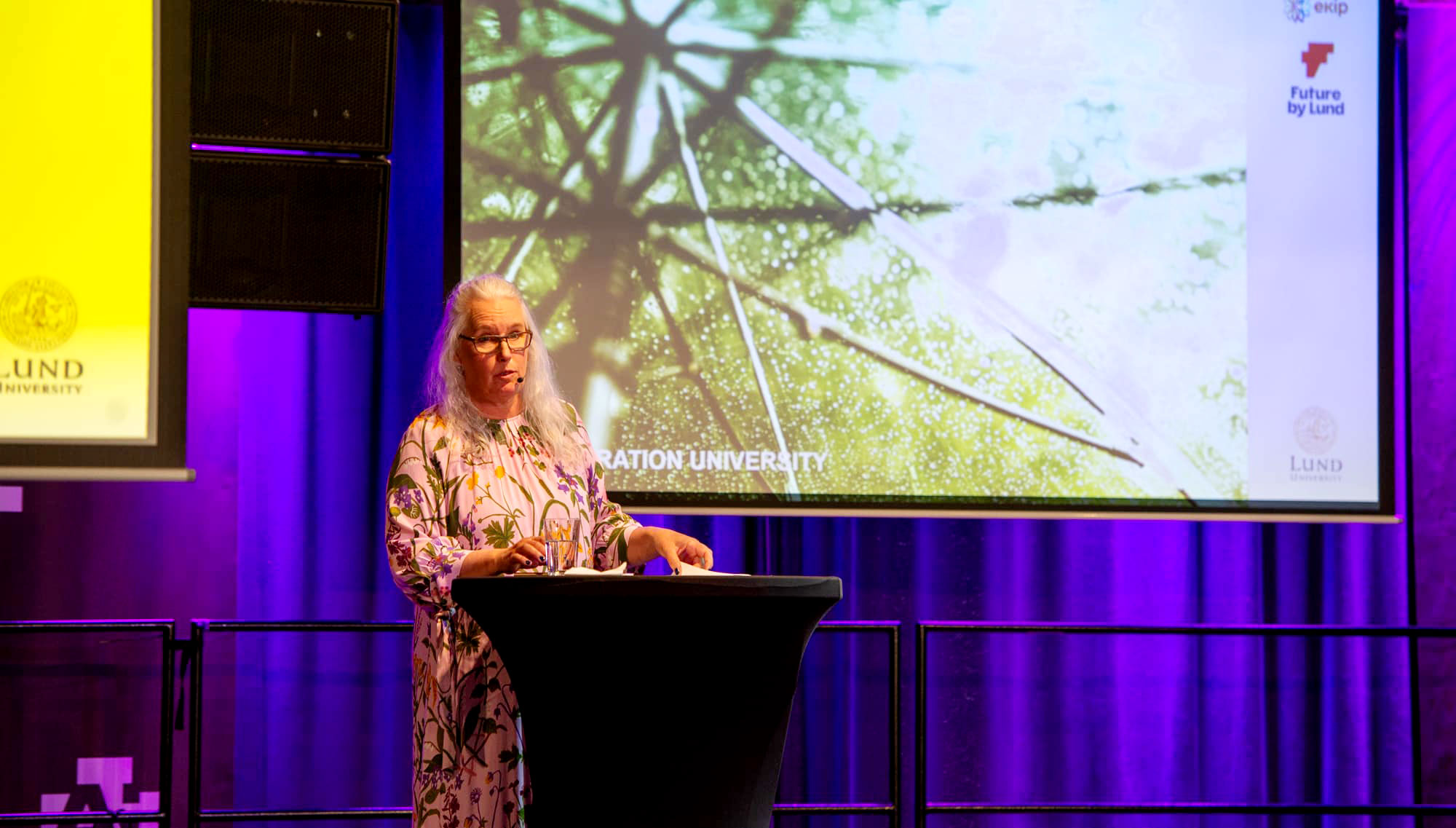
Bild: Lena Holmberg during her presentation at AI+ i Halden. Foto: Stein Johnsen
AI+ was launched in 2020 in Halden, close to the border between Norway and Sweden, with the ambition of bringing several sectors together around AI development. Since then, the conference has grown into Norway’s largest AI conference, attracting participants from academia, the public sector, businesses and innovation environments across the Nordic region. In 2026, the organisers took a clearer step towards culture and creativity by integrating cultural elements into the programme and scheduling the conference in connection with the indie and Americana festival KAKTUS.
“The most exciting thing was that the organiser immediately said that AI and CCI ought to become a dedicated track next year. That shows that the issue really resonated,” says Lena Holmberg at Lund University.
In the presentation, AI was highlighted both as a force changing the role of universities and as a tool for understanding and strengthening innovation ecosystems. Through ekip, the partners are exploring how policy can be developed to create better conditions for the Cultural and Creative Industries (CCI). The focus is on how more open innovation models can support new forms of collaboration between research, business, the public sector and civil society.
Within ekip, AI has, among other things, been used to analyse how professionals in the CCI across Europe talk about key concepts, helping to identify new future professional roles. AI has also been tested by Future by Lund as a way of analysing innovation ecosystems and making visible where there is engagement that can lead to joint action.
“We wanted to show that AI is not only a technical issue. It is also about how we organise collaboration, how we build innovation capacity and how cultural and creative actors can contribute to societal transformation,” says Lena Holmberg.
AI+ is organised by Smart Innovation Norway, an intermediary organisation headquartered in Halden with strong roots in the Østfold region. During the conference, a meetup was also held for Nordic European Digital Innovation Hubs, where issues relating to innovation infrastructure, AI companies and policy development were discussed.
“Many of the challenges discussed in Halden resemble those we are working on within ekip. It became clear that policy development for open innovation can also make a real difference to AI-oriented innovation environments,” says Lena Holmberg.
The conversations in Halden also pointed towards new opportunities for Nordic collaboration. Conferences such as AI+, where academia, the public sector, businesses, cultural actors and civil society meet, can become important arenas for developing shared models for how AI can be used in urban development and innovation work. For Future by Lund, this offers an opportunity to connect local and regional experiences from Lund to a broader Nordic discussion on creativity, technology and transformation
Read more:
European Digital Innovation Hubs