Digitising the Wardrobe – A Step Towards Sustainable Consumption
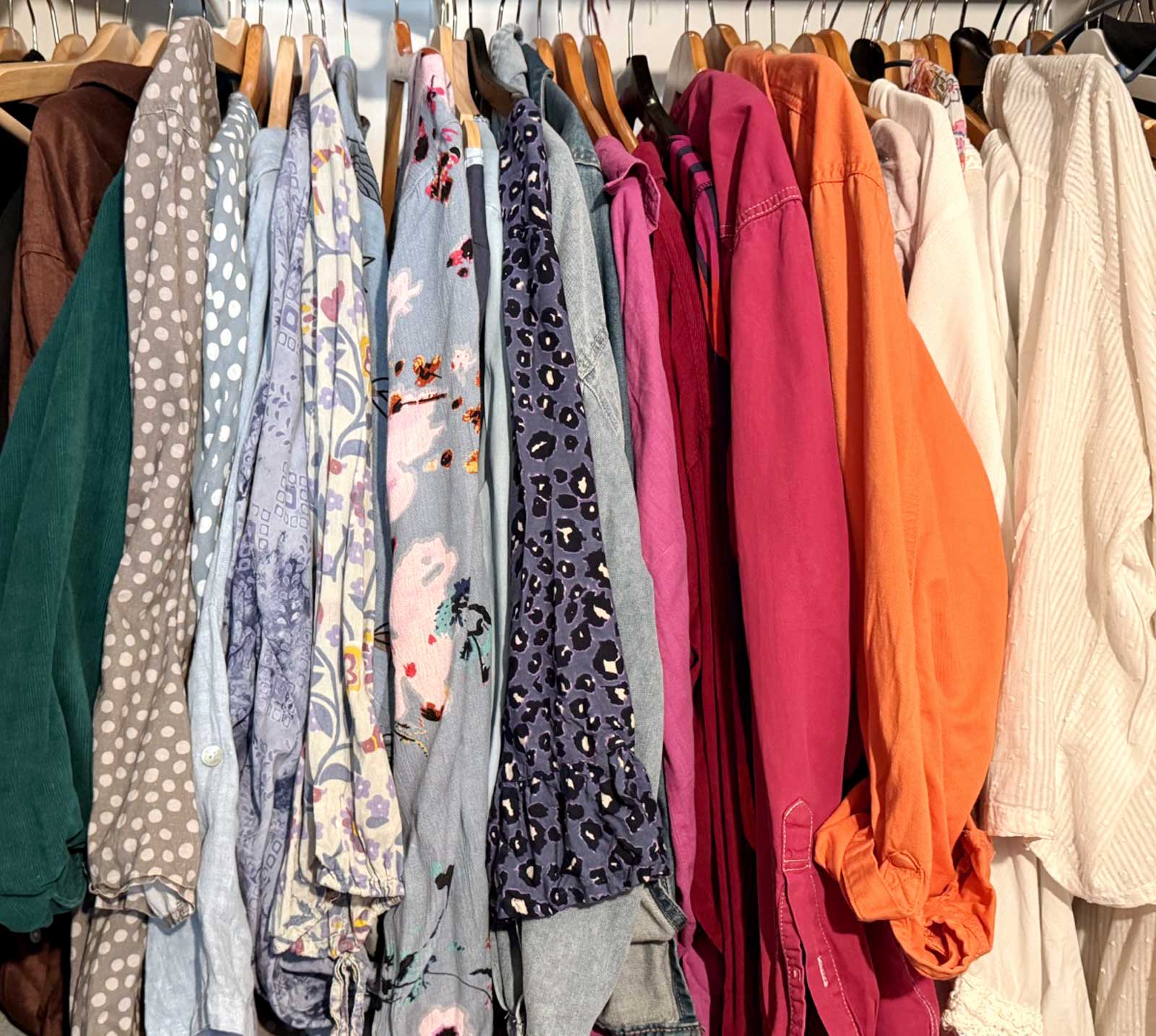
Save Your Wardrobe (SYW) is an app founded in 2017 by Hasna Kourda and Mehdi Daoghri. It is a digital platform that gives users a complete overview of their wardrobe – from garments and sizes to value and usage patterns. By digitising the wardrobe, the app helps users make use of many clothes that would otherwise remain unworn. The platform provides personalised recommendations, saves time when choosing outfits, and connects users to services such as repairs, resale, donation, and recycling.
The app relies on artificial intelligence, making it possible to provide tailored insights and encourage more engaging user behaviour. The goal is to support consumers in making more sustainable everyday decisions while reducing overconsumption in fashion.
Research and insights into consumer behaviour
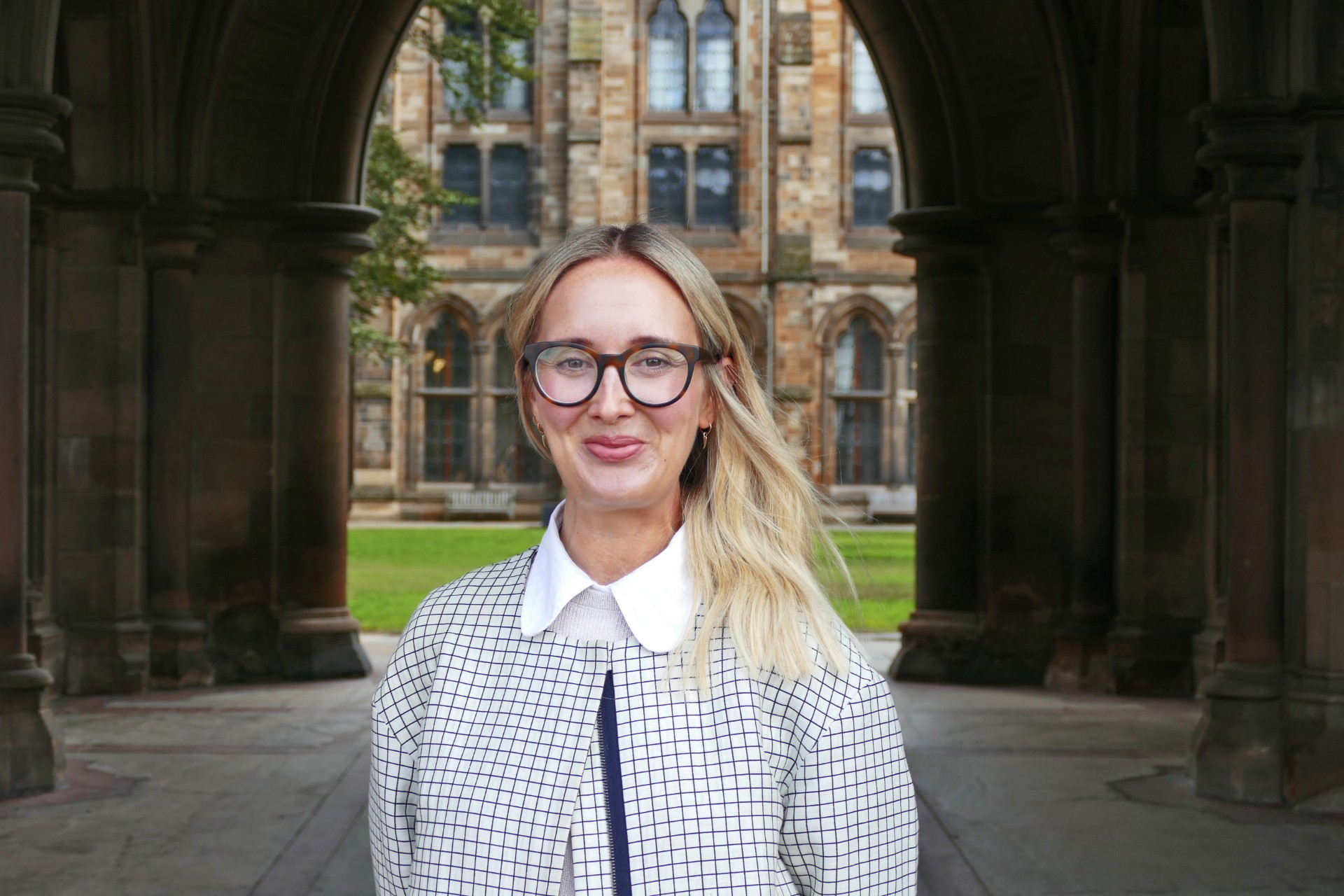
In collaboration with researchers Katherine Duffy and Deirdre Shaw from the University of Glasgow, SYW has explored how digital tools can influence clothing behaviours. Katherine Duffy visited Lund during the symposium Rethinking Europe’s Clothing Sector, where researchers and experts gathered to discuss the textile industry. The findings show that many consumers, without access to such an app, experience stress and dissatisfaction due to overfilled wardrobes. At the same time, there is growing awareness of the environmental impact of fashion consumption and a willingness to change behaviours.
The research identifies how SYW interacts with several key trends:
• Overconsumption and anxiety: Many people feel overwhelmed by the amount of clothing they own and become stuck in a cycle of buying and wasting.
• Increased awareness: Consumers increasingly want to buy less, choose higher quality, and act in line with their values.
• Micro-strategies for change: Strategies such as repairing garments, buying second-hand, or postponing purchases contribute to more sustainable habits.
• Digital support: Apps like SYW can serve as practical tools for organising wardrobes and making more considered decisions.
• Holistic perspective: Users value solutions that combine wardrobe overview with services for repair, reuse, and donation.
From consumption to aftercare
SYW is also developing a platform for brands and retailers that focuses on the post-purchase phase. This modular solution integrates with existing systems and provides access to a global network of repair and maintenance services. The aim is to extend product lifespans, improve customer experience, and reduce waste.
This aligns closely with the introduction of the Digital Product Passport (DPP). Within the EU, it will become mandatory for textiles to be equipped with a DPP. This means that textiles will include digital information at multiple stages – covering aspects such as materials and production, as well as possibilities for repair and recycling. Future by Lund, together with member company whatt.io, has been working on this development for several years.
“DPP changes the fundamental conditions for how products are designed,” says Lars Mattiasson, responsible for the Textile & Fashion Transformation portfolio, speaking at Rethinking Europe’s Clothing Sector. “Products must now be prepared for a long journey across the entire value chain – from production and sales to repair, resale, and eventually recycling. At each of these transitions, data becomes part of the product. I see how SYW can work well with DPP, as it is a platform that gathers data from many actors while also involving the consumer in an active role.”
The SYW platform also enables brands to collect data on product performance and repairs, which can be used to improve design and quality. Among the company’s partners are actors such as Zalando and brands within the LVMH group (stands for (Moët Hennessy Louis Vuitton). In 2023, SYW was awarded the LVMH Innovation Award.
This development is taking place alongside the emergence of advanced AI systems capable of interpreting consumers’ needs and making decisions on their behalf. In this evolving landscape, SYW positions itself as a bridge between consumers, technology, and sustainability.
The symposium Rethinking Europe's clothing sector was organized by Emma Samsioe at the Department of Service Studies with funding from the Centre for European Studies at Lund University, in collaboration with three Horizon Europe-funded projects (CARE, FABRIX and ekip) and startups.