Game test to help intermediaries of the future
An intermediate or urban manager is a person who gets something done in the complicated process of working in an area where organizations share challenges and opportunities. This has been one of the things investigated in the Innovation Portfolio Approach (IPA) project, where the aim is to strengthen the capacity of intermediaries working with the cultural and creative sectors to contribute to the green transition.
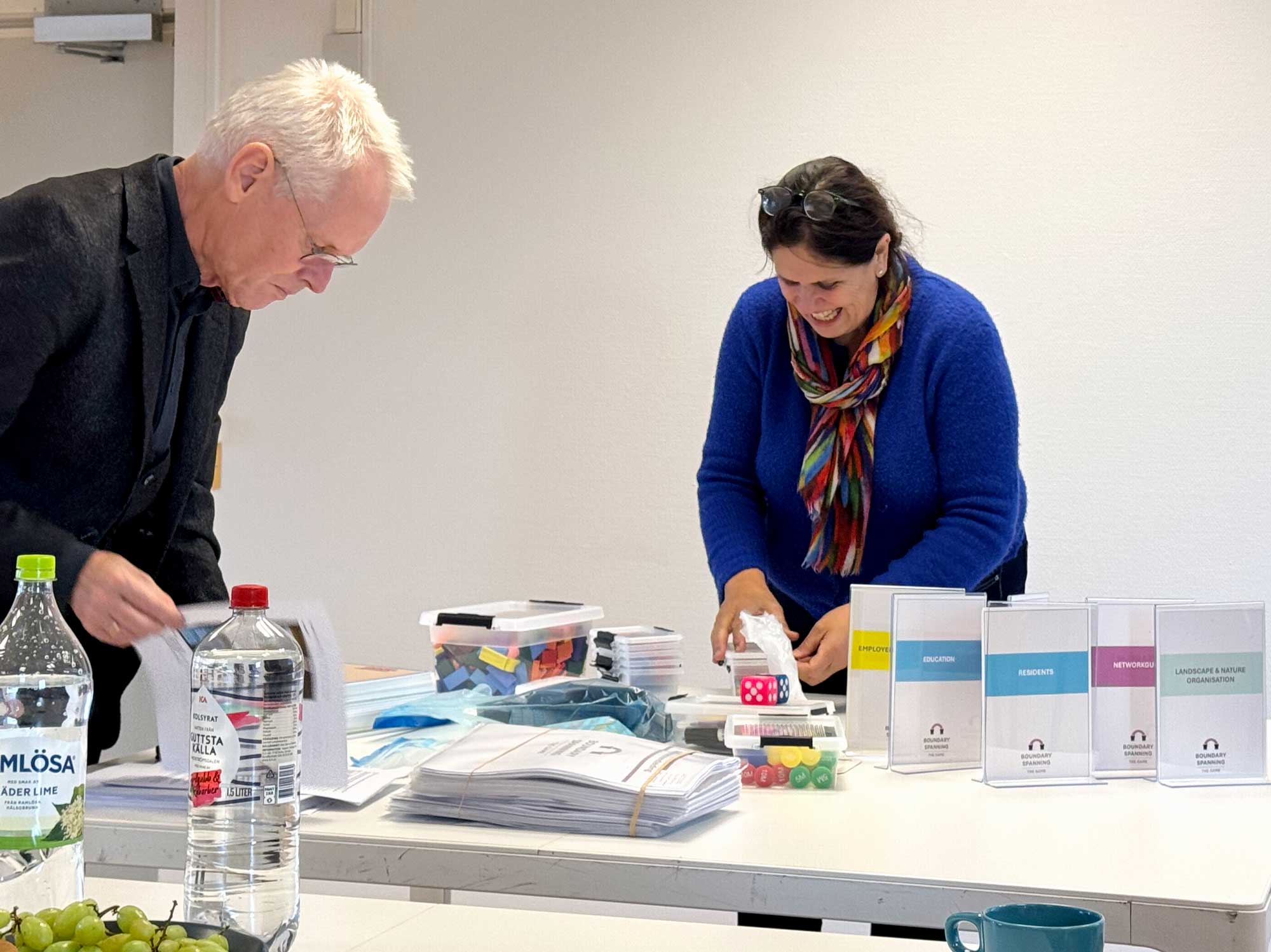
Through the Boundary Spanning Game, the project participant wants University of Applied Sciences in Amsterdam capture the complexity of the collaboration between the city's various actors.
- The game is about how we can collaboratively shape new ground to build a sustainable future together, says Gertjan de Groot, Senior Researcher Coordination of Urban Issues at the University of Applied Sciences in Amsterdam. The game is meant to give a sense of what it's like to collaborate and how to make something happen but the ambition is also to be able to change the way we think and act. Hopefully it will be quite uncomfortable at times, because if it is too easy, maybe the game is wrong. It is important to dare to look beyond your own interests and create an environment where everyone feels at home.
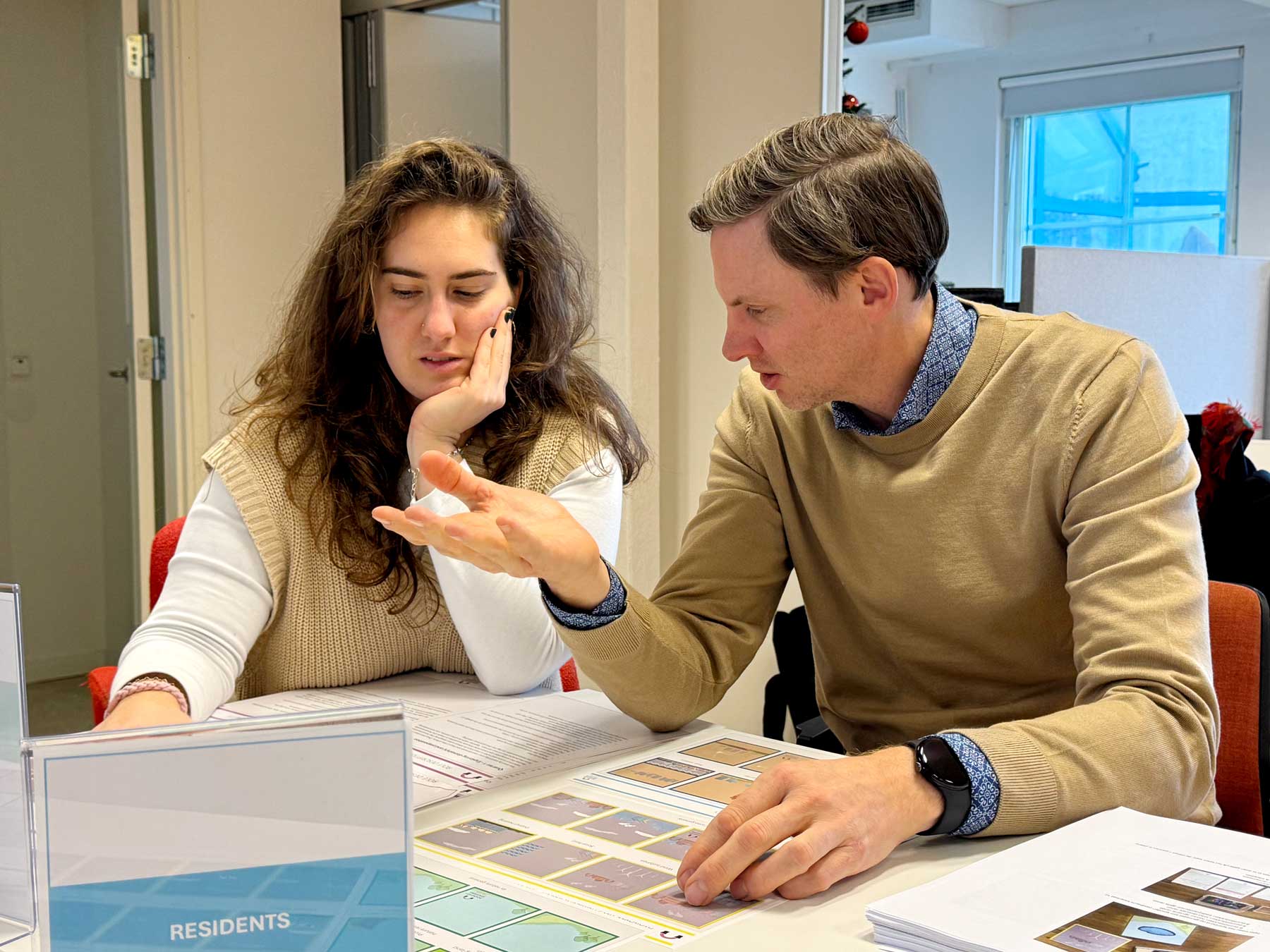
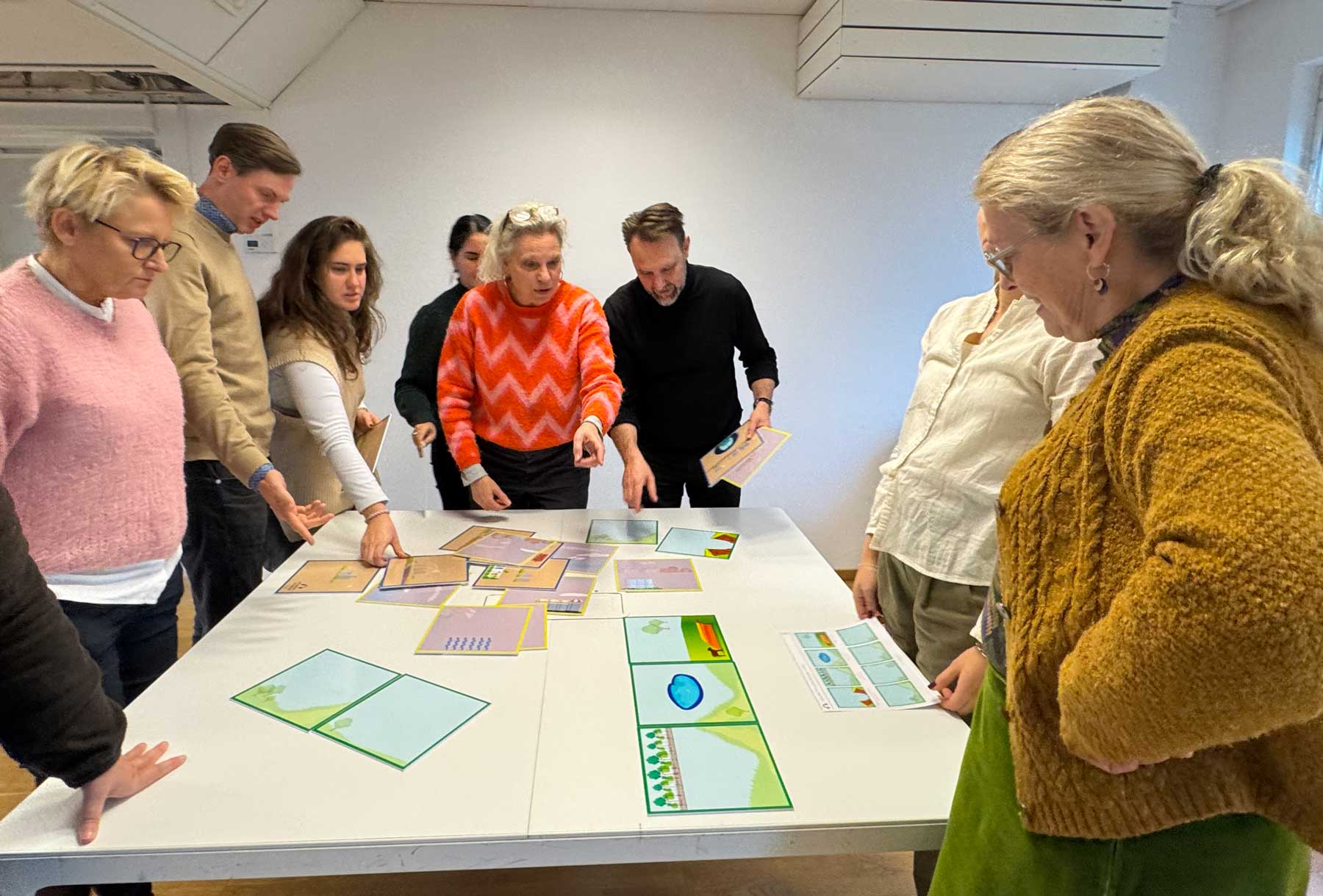
In the game, participants are given different roles, as residents and municipal officials but also representatives of employers' organizations, landscape and nature organizations, and educational systems. Together they will negotiate how the new land area will be used, and it will be possible, for example, to choose between housing, industries, transport and various natural areas. After that, participants will build roads and agree on how to cross the boundaries between the different areas. Each party is invited to view the facility from the point of view of its role and values — such as costs, protection of biodiversity, accessibility, economic growth and living conditions.
- Boundary Spanning Game is a game for training cooperation and negotiation strategies, says Birgitta Persson, project manager for IPA and one of the participants during the game test. It has the potential to help new consortia get off the ground and build trust at an early stage. It is also a potential for intermediaries to practice facilitation and, together with partners, gain clarity on which different drivers are at play. I look forward to playing the finished version!
The test conducted at Future by Lund was only the second in a longer process where instructions and rules are refined over time. Immediately after the test in Lund, a visit with a game test to the third project partner PLAI in Timisoara, Romania awaits.