
New research project shows why biotechnology is important
.jpg)
Biotech Heights is a hub for research and innovation, exploring the potential of biotechnology for the food and materials of the future. It is a place where researchers or entrepreneurs can meet others who work on the same things, and where together they run everything from small experiments to technology development, but also create new business models, influence regulations and jointly increase knowledge about the possibilities of biotechnology.
“The beauty of biotechnology is that it can create value in so many different types of industrial processes. Here we have three completely different industries and products, but the projects will be able to learn from each other and develop together. And all four projects are about developing solutions that strengthen both business and the climate,” says Emma Nordell, superintendent of Biotech Heights.
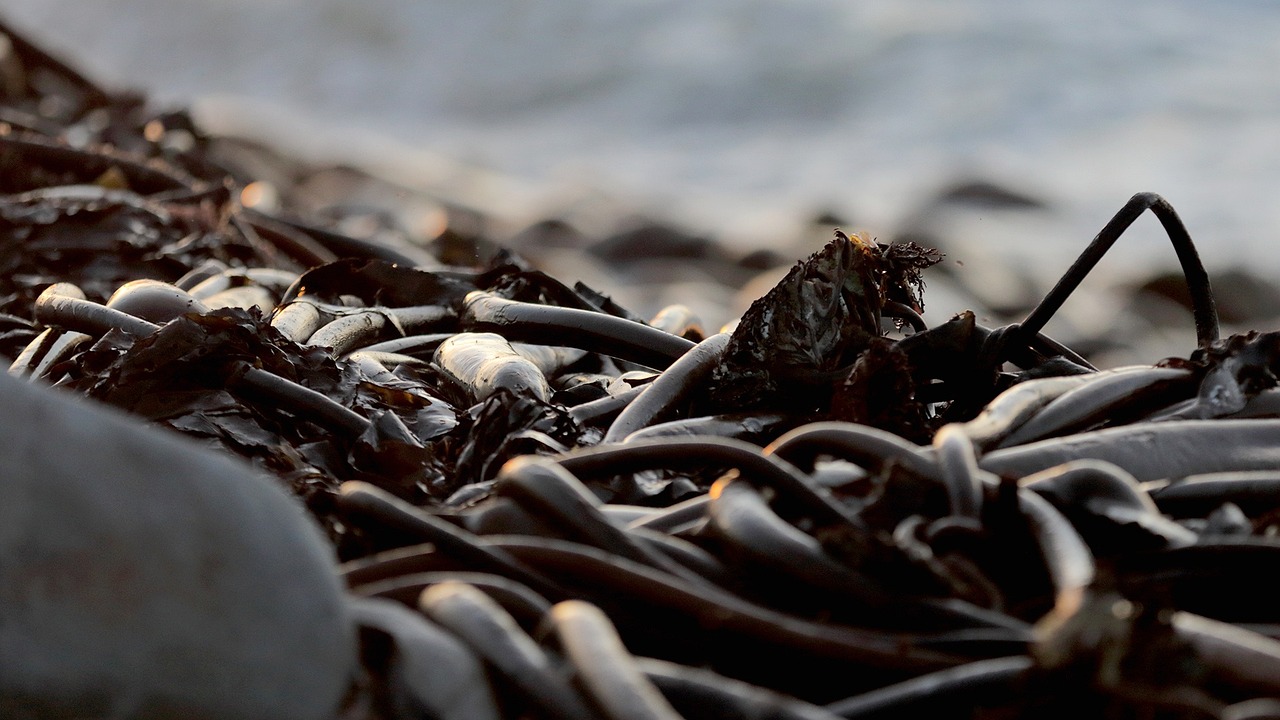
The Furfural from Seaweed to Surface Treatment and Seaweed Materials Initiative projects explore new uses for seaweed and algae. The first project aims to convert seaweed into furfural — a central building block in green chemistry — to develop an environmentally friendly varnish that extends the life of wooden floors. The project is run by Lund University, Bona, Manatee Biomaterials and Axfoundation. The second project explores how sugar seaweed, which has great environmental benefits because it does not require cropland, fresh water or pesticides, can become a sustainable raw material for bio-based materials. It is led by Lund University and brings together seaweed growers, material innovators, researchers and industries — including Nordic SeaFarm, Swekelp, KOASTAL, Manatee Biomaterials, KTH, Perstorp, Trifilon, Filippa K, Houdini, Volvo Cars, Axfoundation and FutureLab & Partners. Both projects are funded by Formas.
In the project From potato waste to mushroom protein — a sustainable food innovation, edible side streams from the potato industry — such as potato peels, boiled potatoes and French fries pieces — will be used as a base for growing a mushroom. The result is a protein-rich material that can be used in food production. It is also funded by Formas and operated by Orkla and Lund Universities.
“We look forward to exploring the possibility of refining a valuable side stream into a new food commodity while deepening our knowledge in biotechnology and food. External collaborations with research environments are valuable to us, as they provide new perspectives and strengthen our innovation power,” says Anders Högberg, Research & Strategic Partnership Manager, Orkla Foods and Orkla Snacks.
In the project Prototyping by upscaling precision fermentation of dairy proteins in novel bioreactor, Curve and Lund University will test producing milk proteins using precision fermentation. The project is funded by Vinnova.
Various research groups from Lund University run the projects.
Furfural from seaweed to surface treatment - Josefin Ahlqvist, Project Manager at the Collaboration Department, Lund University
Seaweed Materials - Eva Nordberg Karlsson, Professor at the Department of Process Engineering and Applied Biosciences, LTH.
From potato waste to mushroom protein — a sustainable food innovation - Carl Grey, researcher at the Department of Process Engineering and Applied Biosciences, LTH.
Prototyping by upscaling precision fermentation of dairy proteins in novel bioreactor - Martin Hedström, researcher at the Department of Process Engineering and Applied Biosciences, LTH.
Biotech Heights wants more players to be involved in shaping the future of biotechnology and now offers organizations a free membership. As a member of Biotech Heights, you get access to networks, expertise and infrastructure, as well as the opportunity to participate in and self-organize various knowledge-building activities.
Biotech Heights: Emma Nordell, emma.nordell@fsi.lu.se eller 070-387 47 82