
How do entrepreneurs interpret feedback? The Creative Tour provides a basis for research
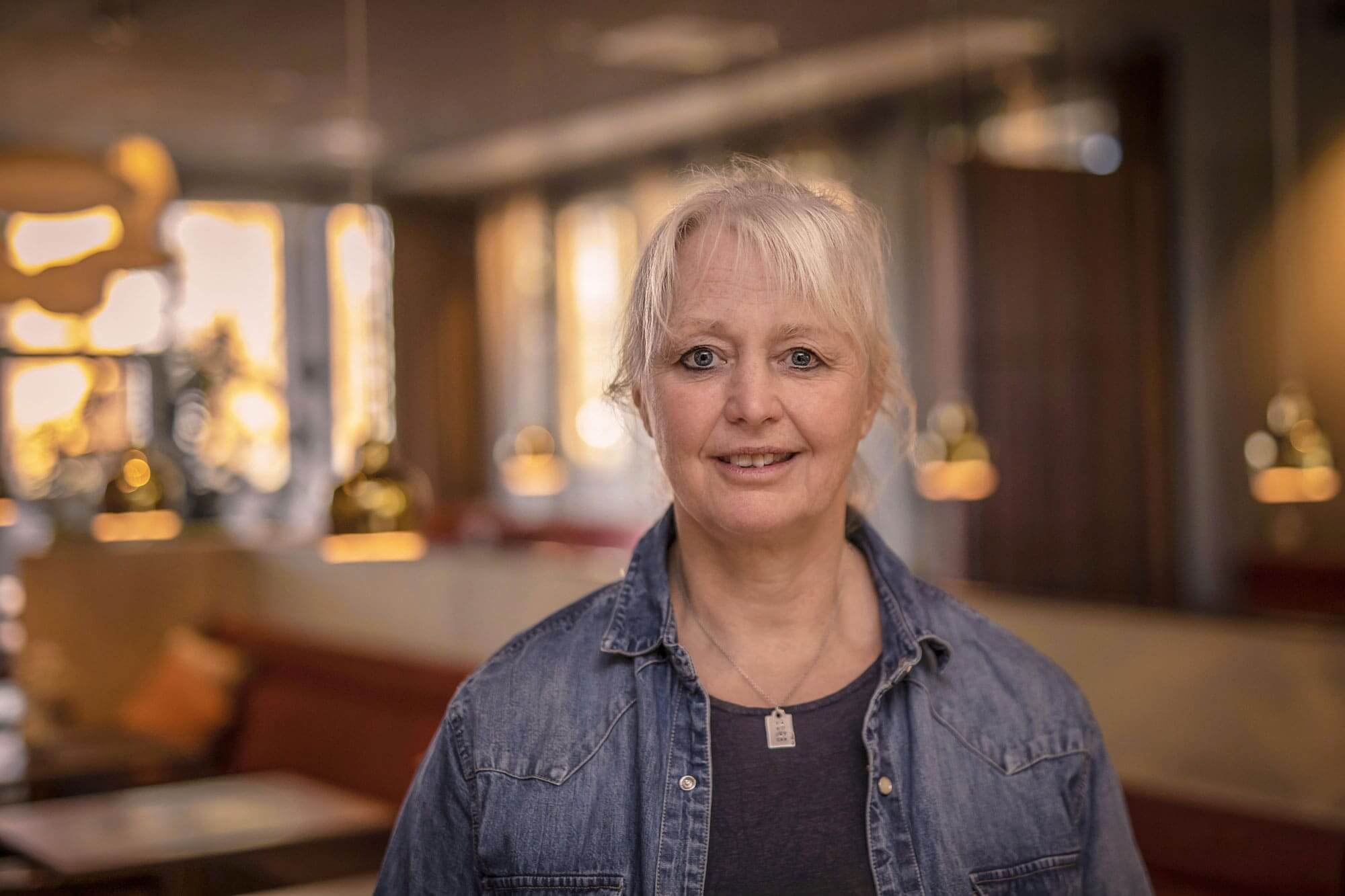

In 2018, Future by Lund arranged the Creative Tour, which was a tour to different locations in Skåne with the intention of finding people who wanted to develop their creative ideas. Some participants were selected for a mentoring program where they received individual help to accelerate their ideas with the support of experienced business developers and investors. The program coordinators were Katarina Scott and Lars Mattiasson from Future by Lund.

The program was also followed by researchers, who over the years have done several scientific works based on the accelerator. And now the research report "How coachability shapes entrepreneurial learning in venture acceleration programs” is published, written by Jasna Poček, Sant'Anna School of Advanced Studies, Pisa, Diamanto Politis, Lund University and Jonas Gabrielsson, Halmstad University.
“We did not take part in the coaching or in running the programme. We followed it as researchers, from start to end”, Jasna Poček says. We interviewed coaches and entrepreneurs several times, during and after the programme, followed the sessions and kept a diary.
The researchers discovered how the relationship between entrepreneurs and coaches developed and that coachability is not a fixed quality but an ability that develops over time.
"Coachability is about how entrepreneurs seek, weigh and use feedback to improve their business. It is often seen as a personal quality. We found that it is something entrepreneurs do, and that it changes with the situation".

Some entrepreneurs took charge of their own learning and were open to changing their ideas. Others wanted practical advice for their own business and quick results.
The study identifies two ways of learning from coaching: hands-on or practical coaching that drives rapid development through testing and learning in practice, and reflective coaching that promotes deeper understanding and long-term development.
” In hands-on coaching, the entrepreneur wants clear advice to use straight away. Problems are obstacles to remove. Learning is fast, but it mostly improves how things are done, while the goals and basic ideas stay the same.”
In reflective coaching, the conversation helps the entrepreneur question their own thinking and see the bigger picture. Problems become something to learn from. This learning is slower, but it can go deeper and change goals and values.
“The two complement each other. Hands-on coaching speeds up learning through action. Reflective coaching supports deeper learning. But a strong wish for quick results can cut reflection short.”
Are there any other findings or reflections from the study that you would like to highlight?
“Learning is often described as a circle. You have an experience, reflect on it, form new ideas and try them out. In the accelerator, entrepreneurs rarely went all the way round. They rushed through some steps and cut others short. The pace of an accelerator, with a lot of feedback and little time, pulls them towards quick fixes. Reflective coaching is still needed to learn beyond the problem of the day. This may be even harder online, where there may be less room for slow, reflective conversations.”
Why is it important to analyse an entrepreneurship programme?
“Mainly because we know less than we think. Accelerators have spread quickly and are important for entrepreneurship in many regions, and coaching is one of their main tools. Yet we know little about what entrepreneurs actually do with the advice they get, because most studies look at what the programme offers. Following a programme up close over time let us see how entrepreneurs interpret feedback and act on it, each in their own way.”
How do you suggest that teachers and coaches make use of your findings in their work?

“I would start by letting go of the idea that some entrepreneurs are coachable and others are not. How someone uses feedback depends on the situation, including the pressure of the programme. A strong focus on quick results tends to shorten reflection, so part of the coach’s job is to bring in the steps that get less attention. Quick progress is also not the same as deep learning, since many small fixes can leave the basic assumptions untouched. Programmes that want deeper learning need to make room for reflection on purpose, for example with sessions where entrepreneurs question their assumptions and rethink their goals.”
Entrepreneurial programs exist in many countries – is it possible to draw conclusions about the coaching in Sweden that are valid in other countries as well?
“The study took place in Sweden, where entrepreneurs get strong support and communication is informal. This may have shaped the coaching. Still, accelerators in many countries are similar, intense and short on time, so we think the findings are relevant elsewhere too”, Jasna Poček concludes.
