
Innovation journeys in the creative landscape
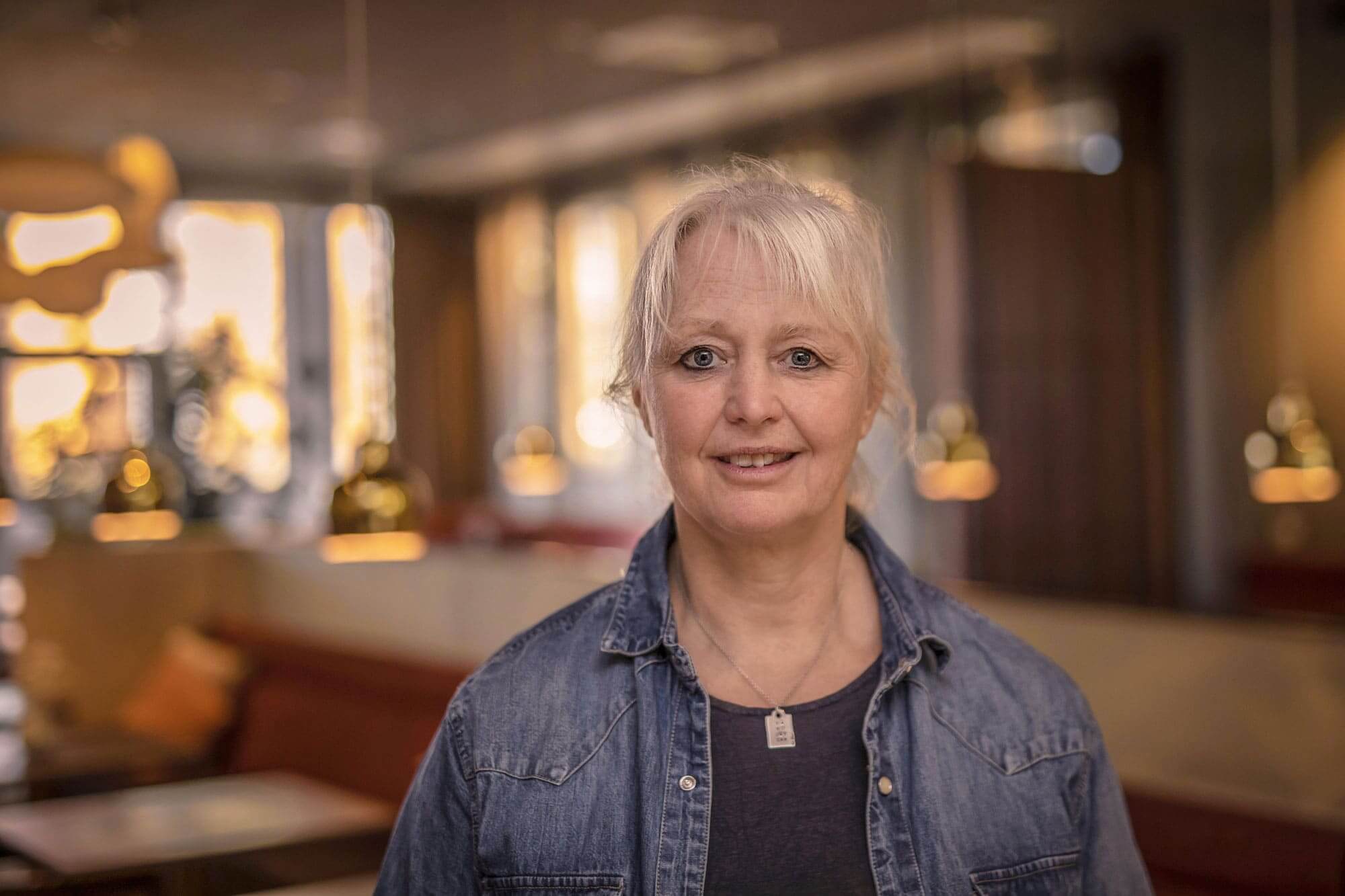
ekip is a platform for working on innovation policies for the cultural and creative sectors (CCS) with partners from all over Europe. Charlotte Lorentz Hjorth at Lund University is the project manager in collaboration with Future by Lund, and the client and financier is the European Commission. Recently, the participants were in Brussels and presented parts of their work but also had discussions on how innovations in CCS can be supported and scaled.
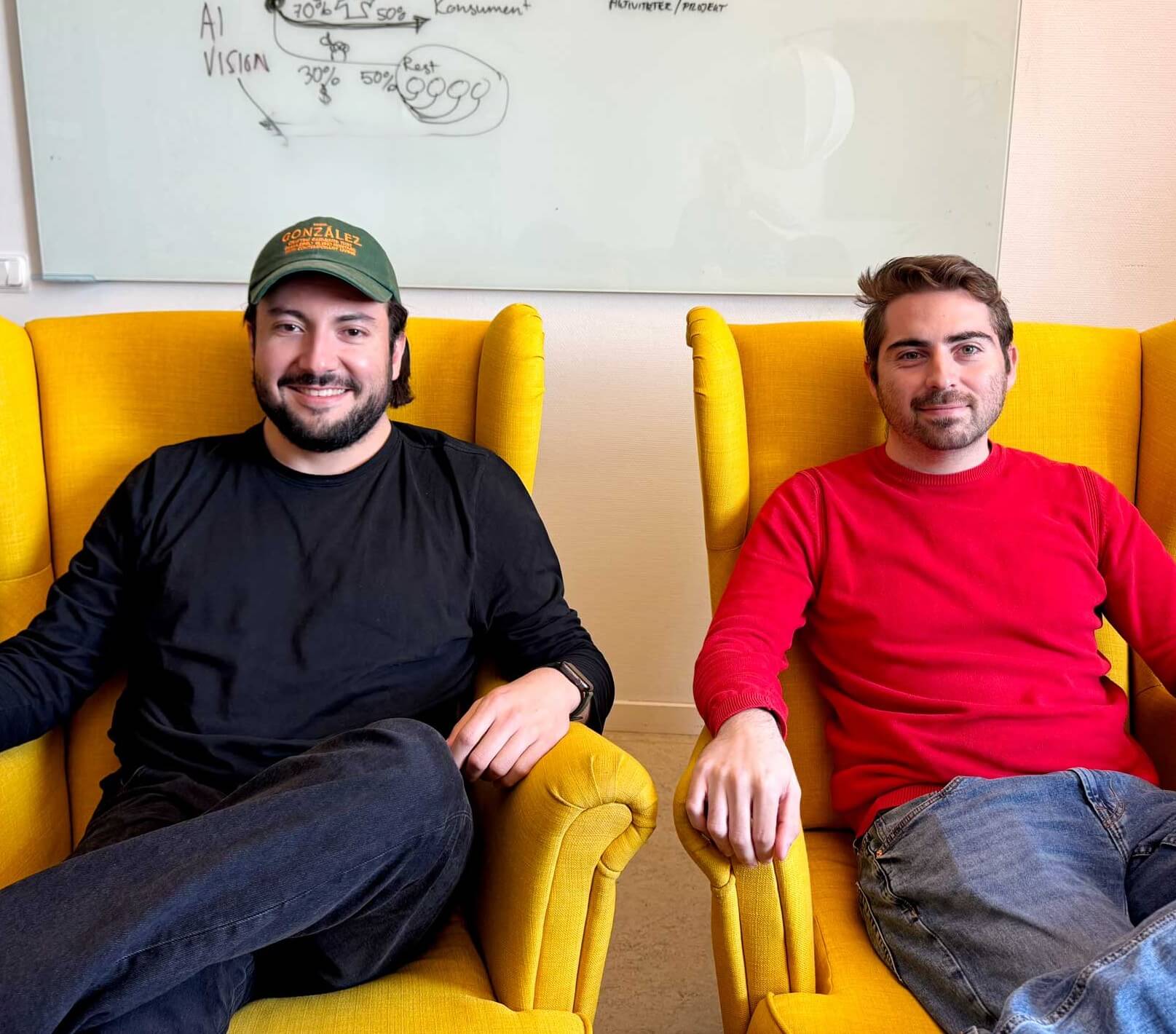
The area also needs to be researched, and now the two master's students Michael-Nektarios Mostratos and Rodrigo Sánchez are working with ekip in focus for their degree thesis.
"Our background is training in service management and the program is theoretical," says Michael-Nektarios Mostratos. “Supplementing work with innovation in a more practical way is very interesting.”
"Being able to test things for real means a lot – and I'm happy that we've learned more about open innovation, among other things," Rodrigo Sánchez continues. It has definitely added value for us to see how things happen in real life and in a completely different context than what we are used to.
In the degree project, mapping activities are carried out with some of the cities in the collaboration.
"We conduct in-depth interviews to understand the actors' perspectives on their innovation journeys and specifically we examine the resources and barriers that shape innovation," says Rodrigo Sánchez. We have interviewed both creative practitioners and administrators who are the ones who try to connect the points between the actors in the ecosystem.
The cities interviewed are St Etienne, Lund, Kosice and Rotterdam and the ecosystems around them. Everyone in the system – such as universities, public activities, business and non-profit organisations – has their KPIs, and for the students it has been an eye-opener – also to think about why an organisation uses a certain KPI.
"What I take with me is that it is people who do the innovation because they bring the knowledge with them, and through their knowledge they contribute to innovation ecosystems," says Michael-Nektarios Mostratos. Before, I thought it had more to do with KPIs, but I now see that it's collaboration between people that actually makes innovation happen.
The work also provides an opportunity to bring the experience gained from European innovation work to other arenas.
"I have gained a better understanding of how innovation works and how it is made possible in a completely different context than what I am used to" Rodrigo Sánchez continues. I come from Guatemala, where there is a lack of organizations that act as a bridge between academia, local government and the private sector, like Future by Lund does. As I understand it, universities and local administration do not usually talk to each other, and companies do their innovation behind closed doors. I don't see a culture of trust and openness there. For me, the European way is different, and it has opened my mind to new ways of doing things.
The interviews that are being conducted with the cities in ekip have not yet been fully analyzed. In addition to the insight that it is the people and their motivation that make the innovation, there are still some that have emerged, such as that a habit of seeing problems can be an obstacle to collaborations and that the culture and environment you work in definitely plays a role.
The essay, which is about innovation journeys in the ekip network, does not yet have a title but will be completed in mid-June.