
How can the private sector be involved in climate change?
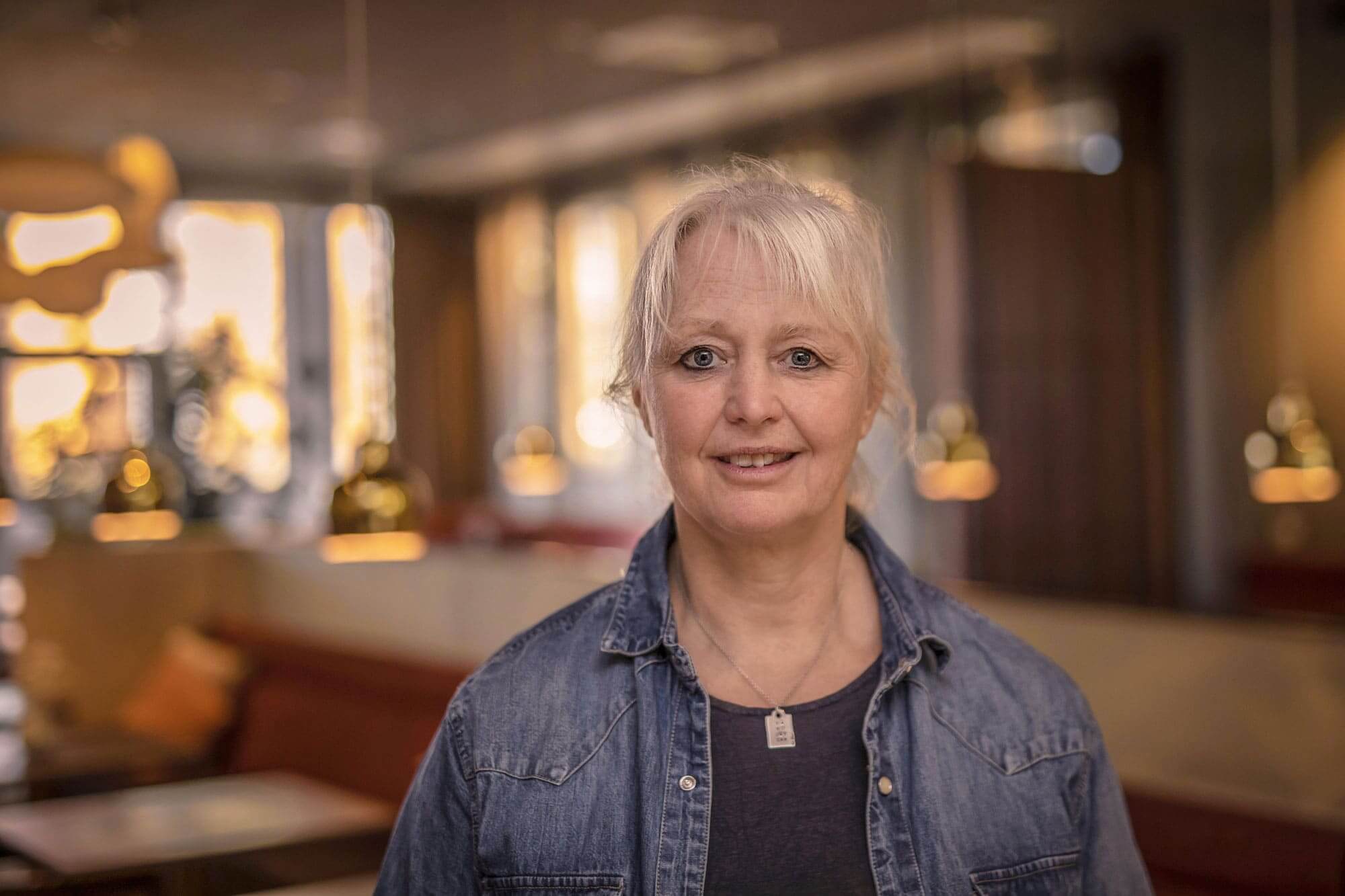
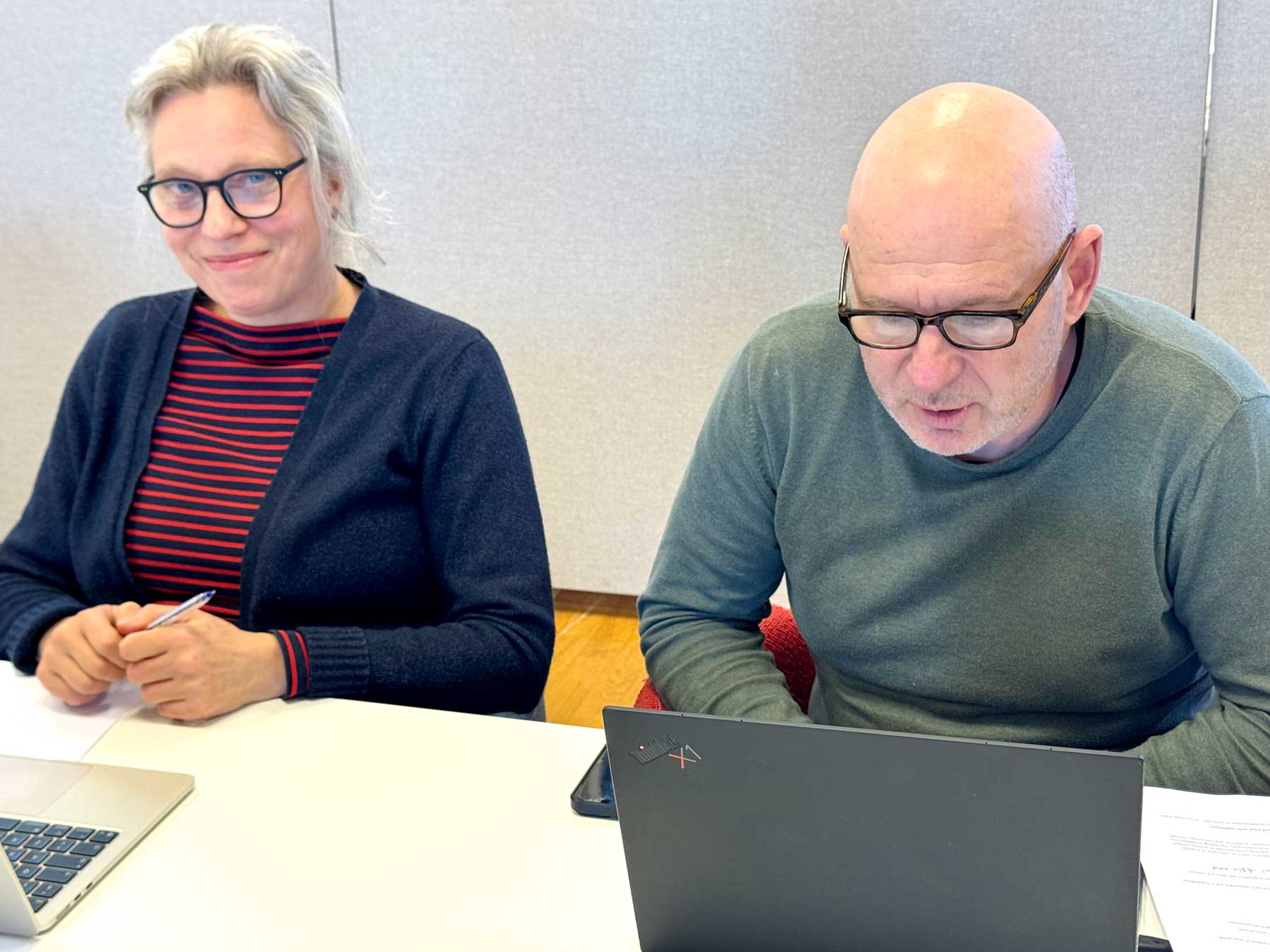
Net Zero Cities organized a webinar together with Community of Practice of Natural Cities and Future by Lund in which several European cities participated. The Net Zero Cities community of practice brings together many experts and cities with the idea of identifying specific challenges in creating climate neutrality, to share practical solutions and increase collaboration. In the interactive session that was held, Future by Lund used Mentimeter as a tool to collect the cities' responses. In this way, cities can be given a measure of where they stand in terms of private sector engagement, but they can also be given a continuation where they can learn practical governance methods for multi-stakeholder collaboration and identify concrete steps to strengthen private sector engagement on the road to climate neutrality.
- Future by Lund shares some very interesting work they have done, especially focusing on private sector involvement and helping cities cooperate with the private sector, says Helena Suarez, LGI Sustainable Innovations and with the Community of Practice of Natural Cities. Today's event links well with how cities can eventually improve their collaboration with the private sector and have longer-term solutions.
One reason to focus on this is that transition teams need to work with the private sector to succeed.
- In cities with the ambition to have net-zero carbon emissions, about 85 to 90% of the measures need to be done outside the public sector, says Mikael Edelstam. Private companies and private capital are essential to making climate investments. Moreover, private companies provide most of the necessary solutions - or have knowledge of such things that can be useful in the work.
In the European project CoGovernance Lund collaborates with a group of about ten European cities on how to achieve financing solutions with the help of the private sector. The cities participating in the digital exercise had transition teams that ranged in size from not yet established to around 20 people. Several cities had begun to focus on collaboration with the private sector, and some had begun building partnerships and portfolios or are well on their way to doing so. The survey was only a test of how to make an assessment in just over 30 minutes, and the below summary of the cities' results is only about showing how the survey is conducted, and thus does not give any general results.
Test of a way to make a breakdown on the eve of an education
The work was set up to examine six key aspects of governance of cooperation with private companies. These were: Setting the context, Understanding your ecosystem, Activities/ portfolio sensemaking, Organisational setup, Tracking progress and Resources & Financing. Within each area there were two questions and cities had to choose from different answers and in some cases rank different options.
Through the questions, Future by Lund found out that the participating cities had often started work on roadmaps but had not yet covered all aspects of making them concrete. Some of the cities had combined the climate plans with other important benefits that can be achieved at the same time - such as better health, social benefits and job creation, but the vast majority turned out to be working with clear climate goals and then adding to the benefits it can bring.
In order to be effective in innovation, it is necessary to take advantage of the city's opportunities. Companies, startups, universities, civil society, investors and public organizations add different skills and resources. In the ecosystem, resources, knowledge and talent can be shared so that the city does not have to solve everything on its own. The participating cities had to answer how regularly they work with the ecosystem.
In addition, it is also necessary to understand what motivates and drives the different actors and what challenges they have in order to make better use of their ecosystem. Some of the cities worked on this in a systematic way, while others said that they still have a decent understanding of the driving forces of the major players.
Cities also need to have a holistic understanding of the collection of ideas they are pushing forward, not just managing individual projects but also understanding the broader and often uncertain landscape of innovation activities as a whole in order to make strategic decisions. Therefore, it was examined how developed the cooperation of cities is with private companies. The responses showed that everyone has been starting to work with private companies and it also turned out that private business investors have started investing in projects in more of the cities' climate investment plans
Cities often manage their projects and activities through a portfolio strategy, but portfolio models can be very different between cities. Most climate projects in the survey were internal municipal projects, while in the second place they were citizen-related projects.
In order for cities to follow the development of the innovation portfolio, it is necessary to move from traditional individual project management to a more structured system so that they can follow their progress. Cities do this to some extent, primarily to capture created values and to support decision-making.
Finally, Future by Lund also looked at how to involve the private sector in climate investments so that cities can leverage private capital, innovation and operational efficiency in addition to the city's own investments. One of the cities is doing a lot of work on this while some others state that they are just getting started.
Future by Lund will continue to work on mapping the work of groups of cities in order to be able to educate the cities on the level they are. The insights from today's session are also taken back to Future by Lund to create a collaborative framework and a training programme for teams on how cities can engage the private sector in the transition. The training should be useful both for beginners and advanced cities.
Zones to explain the collaboration
Future by Lund uses a zone model to explain a collaboration and for actors to understand when to do what. In the yellow zone, you start talking to external actors to get to know them and their possibilities. There, the actors can jointly identify potentially interesting ideas that can be turned into real portfolios and projects. The idea is then that the cooperation moves to structured joint work in the green zone. This can lead to concrete business opportunities for the individual players, who take them home to their own business and the blue zone.
A Canvas for Ecosystems
Future by Lund has a canvas, a tool for mapping an ecosystem of stakeholders. Stakeholders are categorized into different groups. Then their drivers are mapped out to understand how to work with stakeholders and engage them. It is also important to understand the limitations, what actors are allowed to do for organizational or legal reasons. Some stakeholders have more influence in the system and they are mapped in more detail. In addition, it is important to understand the motivations and limitations of the individuals you work with.
Learn more about working with a canvas.
Now Future by Lund is looking for cities interested in testing the beta version of the new education program. Please contact mikael.edelstam@miljostrategi.se or Peter.Kisch@futurebylund.se.