
Great opportunities with digital product passports – here is where it will be tested!
In the European project INTERWeuVen textile infrastructure and weaving machines are being combined in a new way. The idea is to create textiles directly in the shape of the product, with the goal of reducing overproduction and waste within the textile industry in Europe. In this collaboration, involving 16 partners from 8 countries, Future by Lund and whatt.io will, among other things, help with how DPPs can be integrated into design and manufacturing processes. The objective is to provide support for the systems and design methods being developed for shape weaving. Technology and methods need to be developed to function in real-world contexts and benefit the entire value chain.
That is why Future by Lund and whatt.io are now working together to set up a demonstration wall for DPP: the DPP-Living Lab. In a room at Future by Lund's premises, screens, computers, tablets, printers, keyboards, and mobile phones will be used to provide information so that visitors can try out for themselves how the product passport works. There will be a few examples of products, primarily from the textile sector, but also a 3D copy of an Iron Age piece of jewellery and 3D-printed speakers that Lostboyslab manufactures. Both products have embedded digital product passports in the form of an NFC tag from whatt.io.
The focus will still be on textiles, and the idea is that it should be possible to follow the material from raw material to finished product. One demonstration example is the production of wool garments. There will be information from every step, from the sheep farmer shearing the sheep and cleaning the wool, to a finished wool jumper with advice on how to care for, recycle, and repair it.
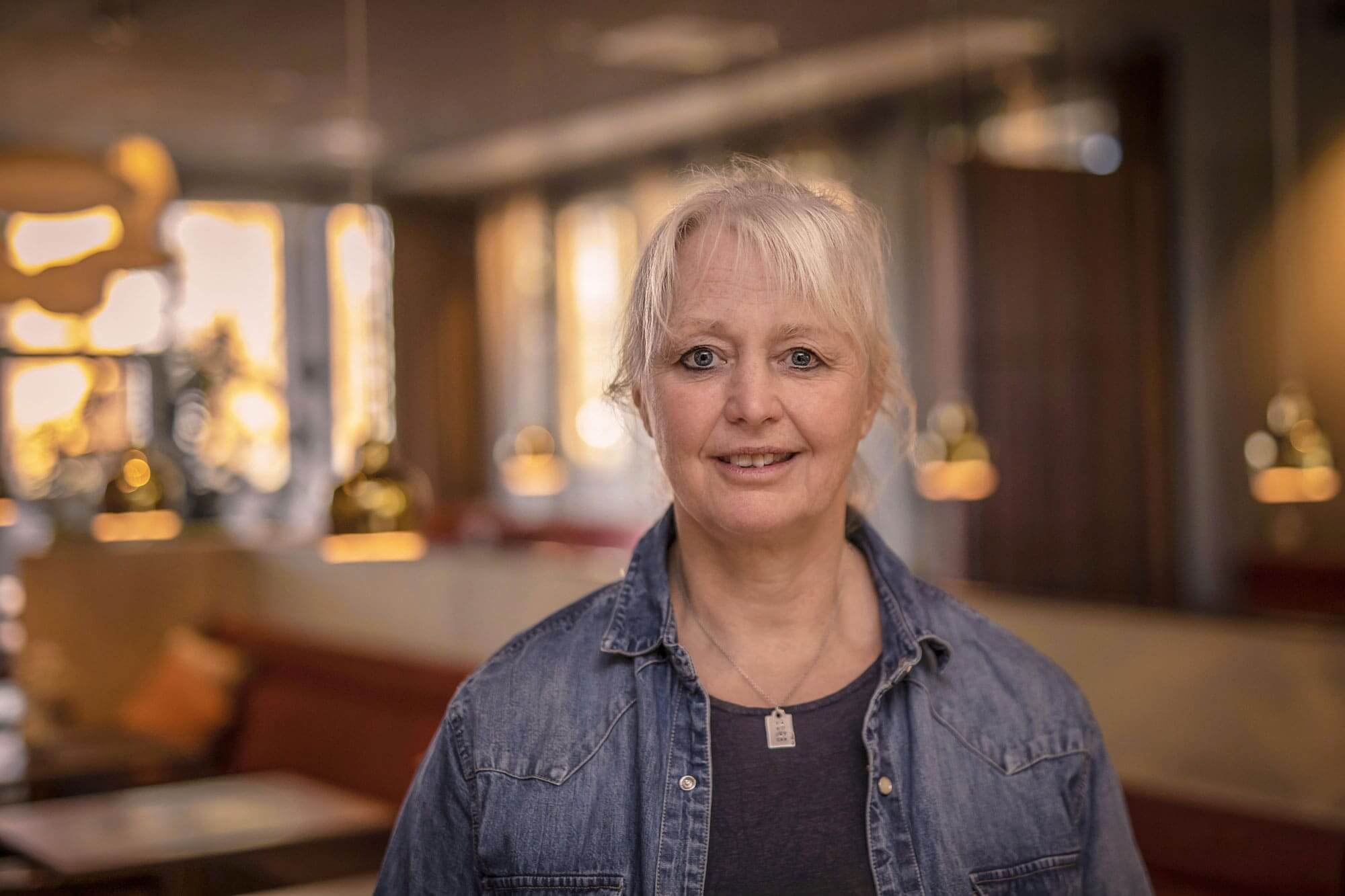
- The idea behind the DPP is to make the entire chain more sustainable and circular, says Stephanie Wretman from whatt.io. A lot of usable textiles are thrown away, and we hope that people will choose to sell, repair, or reuse them instead. When you apply this system, you can follow the entire lifecycle of the product in a completely new way.
A digital product passport can contain information in different layers for different users.
- I think it is interesting that you as a consumer can see different things to what a manufacturer, retailer, or repairer sees, says Gabriella Sosa Strand, Future by Lund and intern from the vocational programme Digital Transformation Leader. Different things are of interest to different stakeholders.
The system could also make it possible to add information about stolen garments, which would make resale more difficult. (Read more) This could also be a way to stop the counterfeiting of expensive brands, while at the same time providing exciting stories about who has worn the garment and at which events. (Read more) For some products, such as the speaker, it is possible to include user manuals, instructions on how to repair it, and where to find spare parts or repairers. When the product is to be recycled, there is information about materials that can be sorted for recycling. The test environment is being built within the INTERWeuVen project but will be useful for a range of other portfolios to test and demonstrate the digital product passport concept.
The ambition to create sustainability and transparency for good products also includes the opportunity to put a stop to products that are not.
"Sometimes it turns out that there is lead or other hazardous substances in textiles and toys," continues Stephanie. "Because DPP requires you to disclose exactly which substances are included, companies that follow established standards will benefit. Some products simply won't meet the requirements for DPP."
DPP can take the form of a QR code or, as in the speaker and the piece of jewellery, an NFC tag. Both are easily scanned with a mobile phone. The information provided can be in text format, but there is also the option for the text to be read aloud or for users to get spoken answers to questions with the help of AI – in well over a hundred languages.
"It would be really exciting to let a textile student, for example, explore how much information you can convey through digital product passports," says Gabriella Sosa Strand. "A manufacturer can include a great deal of information on a small tag no larger than the one that provides washing instructions."
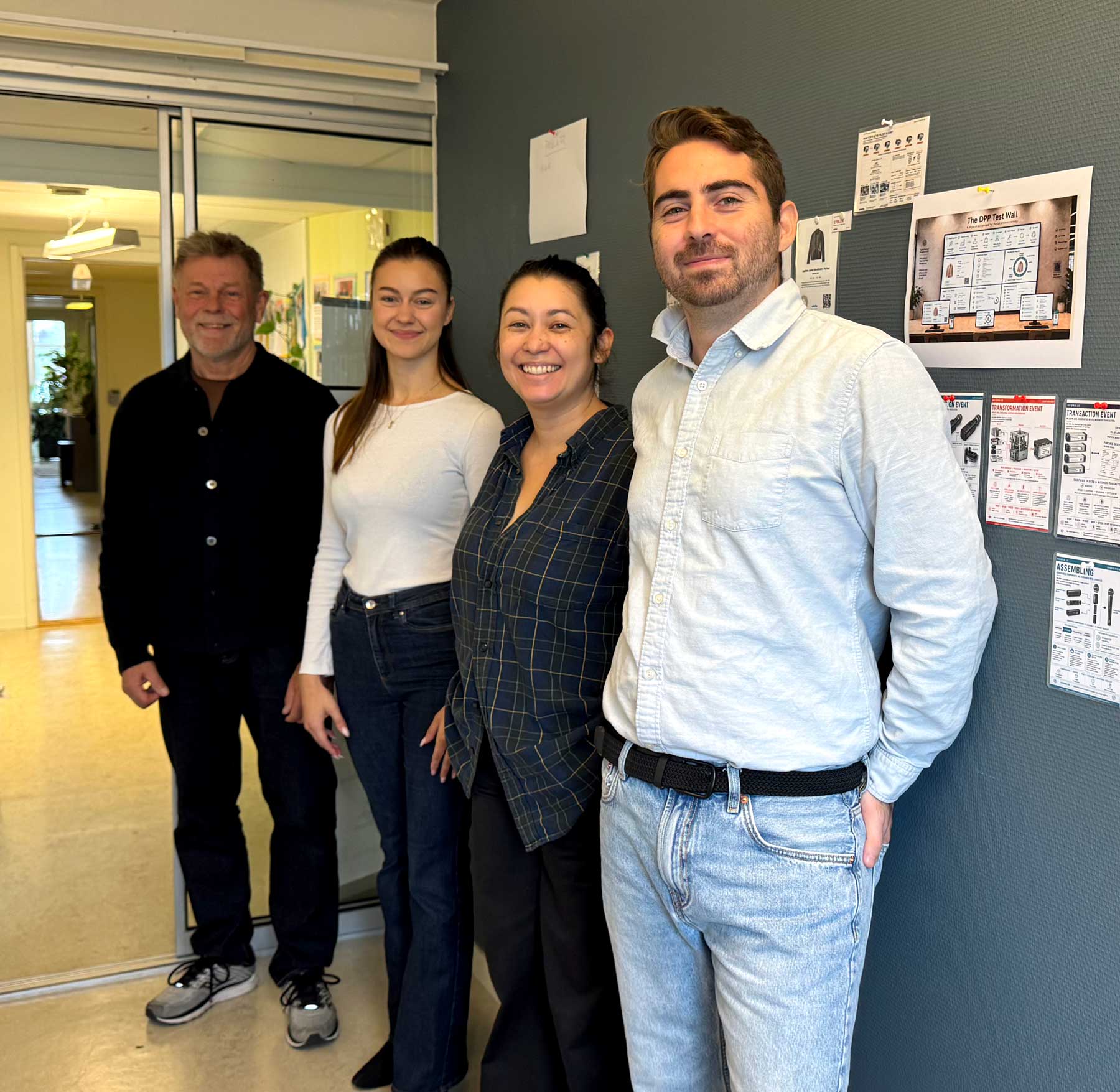
In the room, there will also be what is called a "magic mirror" where you can project theoretical or virtual garments onto an avatar, making it possible to adjust the garments as early as the product development phase. DPP-Living Lab is part of the portfolio Fashion & Textile Transformation which is led by Lars Mattiasson, with a team consisting of Stephanie Wretman from whatt.io, and Gabriella Sosa Strand and Michael Nektarios Mostratos from Future by Lund. To create the actual digital product passports, whatt.io founder and CEO Stefan Larsson will design platforms, databases, and systems, while Stephanie Wretman ensures that all the information required for the product passports is included.
Read more:
Stefan Larsson talks about whatt.io's work with DPP.
Lars Mattiasson on the benefits of DPP.
Photo: Lars Mattiasson, Stephanie Wretman, Gabriella Sosa Strand och Michael Nektarios Mostratos.