Biosolutions
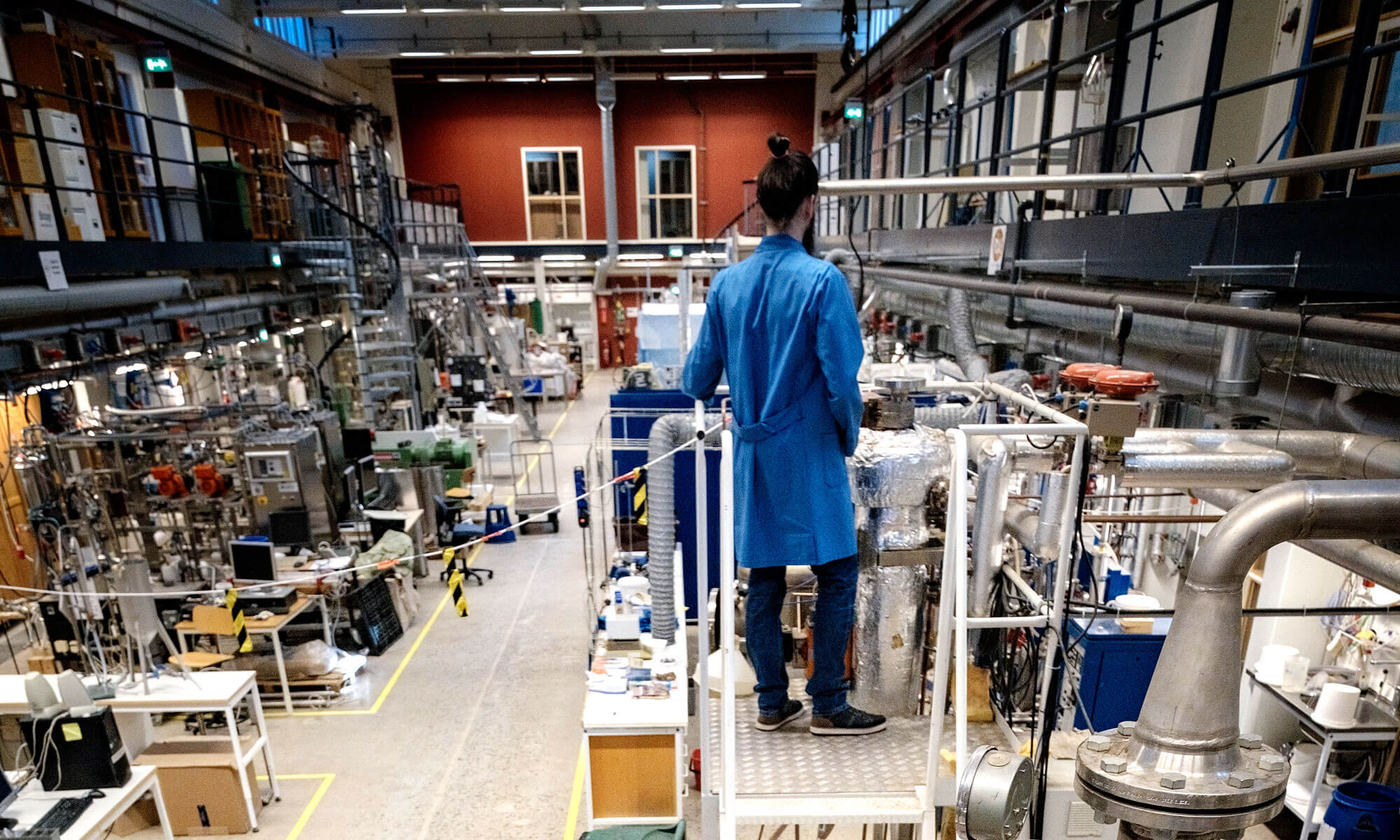
The portfolio is accelerating the development of new fermented foods into an established food category, as part of the protein shift away from animal protein, thereby helping to reduce carbon dioxide and methane emissions, as well as to cancel future pasture growth and deforestation. To succeed, actors across the system must work together. The value chain of the new food category needs to be optimised in relation to neighbouring biomass value chains. Technology must evolve to become commercially viable, from lab scale to industrial scale, and become accessible and usable for new entrants. End products must be improved nutritionally, sensorily and sustainably, and consumers must find the products affordable, accessible and attractive. New product names must be made part of people's everyday lives, legislation must be updated and new standards must be developed. An increase in the level of knowledge must be implemented throughout the value chain and new talents must be given room to develop. Biotech Heights is the name of a venture that is also a physical location with lab infrastructure and an innovation ecosystem.
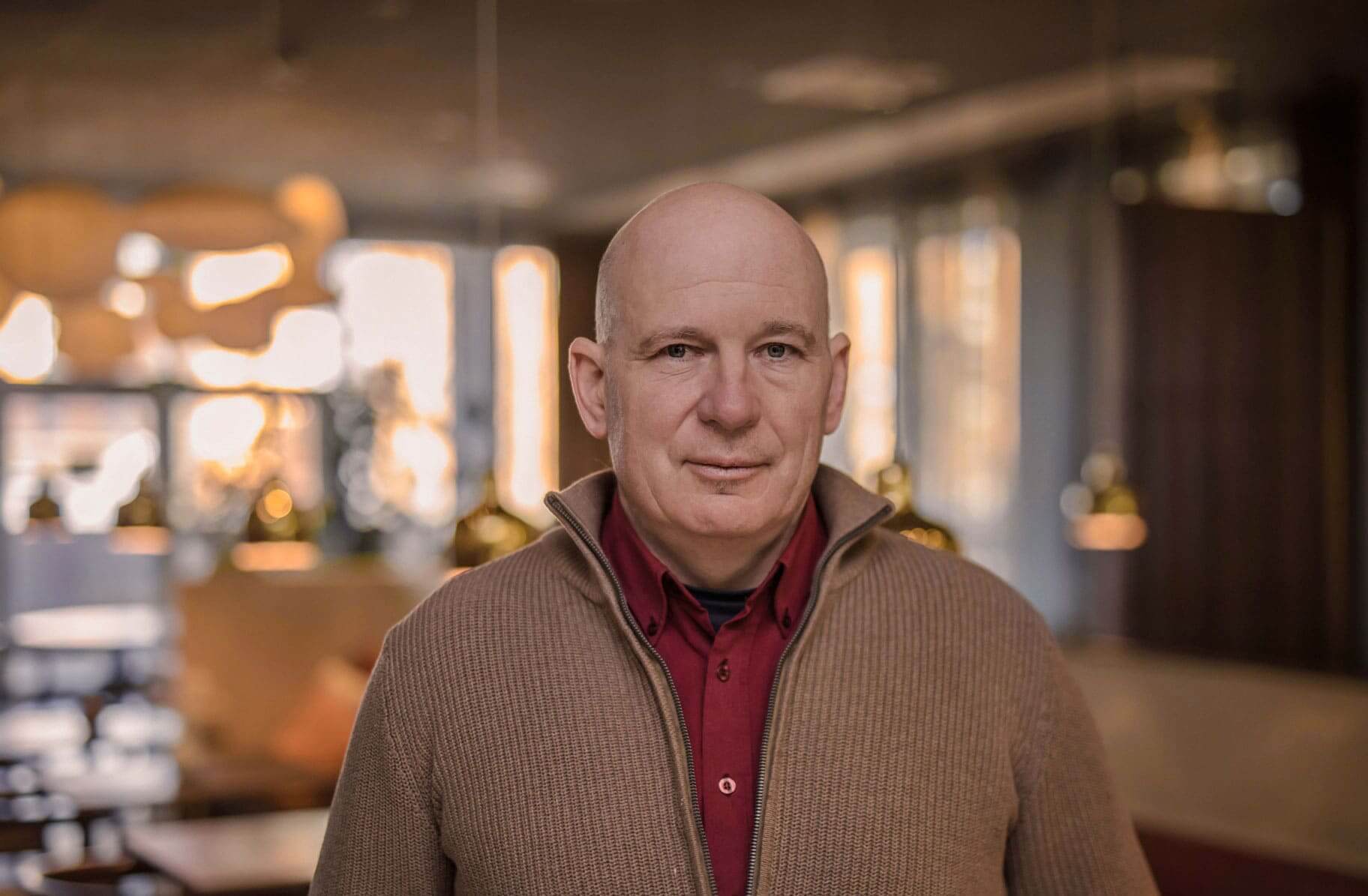
Peter Kisch
COO Future by Lund, senior project manager
peter.kisch@futurebylund.se
073-394 92 24
What?
Solutions that combine biology (and bioresources) with technology can contribute to the green transition, by harnessing the potential of enzymes, microorganisms and other biological "building blocks" to create new products. The initial focus is on new fermented foods. Solutions exist, but the technology and production methods need to be developed to become commercially viable (from lab scale to industrial scale), and new products need to become accessible and usable for consumers.
Why?
When the world's population is expected to reach 9.8 billion by 2050, we will need to produce considerably more food. Developing bioprocess technologies for the production of new fermented foods (such as proteins) can yield positive benefits including reduced climate-impacting emissions, more efficient use of land and reduced water consumption. The new technologies enable a wider selection of climate-smart crops and offer the potential to utilise cultivated biomass in new ways.
Who?
Core partners are Tetra Pak, Lund University and Future by Lund. It also includes a large network of research actors, small and large companies, government agencies and international actors.
Our projects in this portfolio
Intermediary actors wanted!
Future by Lund works in the gap between research, organisations and institutions, the public and private sectors, academia and business. Are you as an actor interested in working with us in the gap – get in touch!